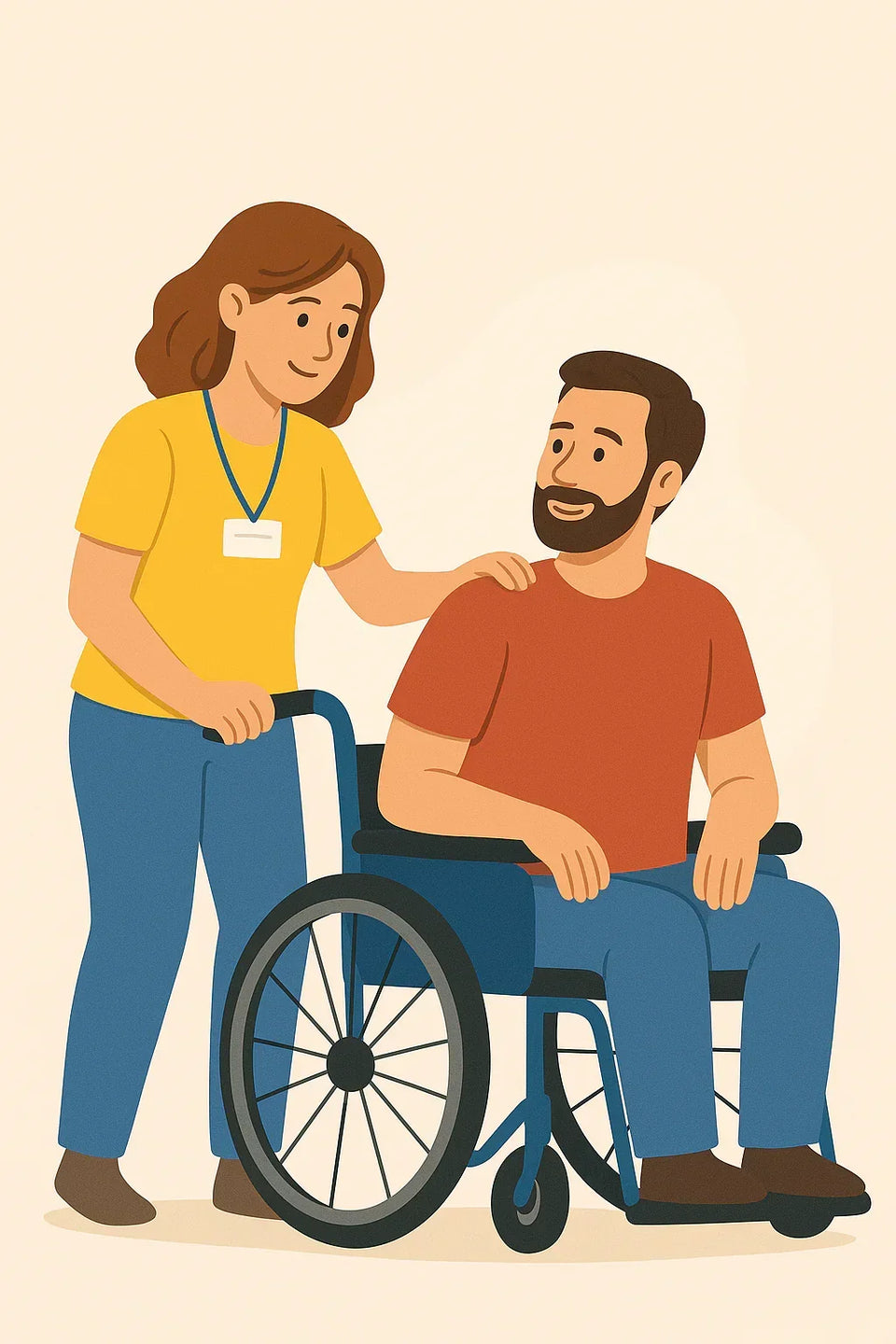
People living with Homocystinuria have different experiences and priorities. This resource explains the condition, ways it can influence everyday life, the historical NDIS recognition of the diagnosis and practical supports that may be relevant. It is written for Australian participants, families and support coordinators.
Understanding Homocystinuria
Homocystinuria describes inherited disorders affecting how certain amino acids are processed. Classic homocystinuria can affect the lens of the eye, skeleton and blood-clotting risk, and may cause learning or developmental differences. Treatment and dietary management are important medical matters; functional support needs vary widely with the specific form and health history.
Diagnosis is only one part of the story. Understanding a person's strengths, communication choices, daily routines and support goals is essential when arranging services.
Symptoms and possible functional impacts
The following features can occur. Their frequency and severity vary, and only a suitably qualified professional can assess an individual's medical condition.
- Visual impairment associated with lens problems
- Possible developmental or learning difficulties
- Skeletal differences or fragile bones
- Risk of blood clots requiring medical oversight
- Potential movement or neurological concerns in some forms
- Wide variation in independence with timely diagnosis and treatment
How Homocystinuria may affect daily living
A person may need accessible information and daily routine support due to lasting vision or learning impairment, while continuing prescribed medical management outside the disability support system.
Functional impacts can be explored in communication, learning, mobility, social interaction, self-care and self-management. Ask which tasks a person does independently, which benefit from prompts or accessible information, and which require disability-related physical assistance, supervision or equipment.
Practical strategies that respect choice
- Seek ophthalmology input for visual access and aids.
- Separate prescribed diet, medicines and medical clot prevention from routine support tasks.
- Use accessible teaching and prompts where a learning impairment affects daily skills.
- Document remaining impairments after appropriate treatment rather than relying only on test results.
Choose supports together with the person. When healthcare issues are involved, providers must follow clinical instructions and ensure staff have the appropriate competencies for their roles.
Does Homocystinuria qualify for the NDIS?
Homocystinuria is named in the published NDIS List B under conditions that may involve multiple impairments. Medical management can substantially affect outcomes, so a diagnosis is not itself proof that the person has a permanent and substantial disability-related functional limitation.
In Australia, NDIS access involves age, residency and either disability or early intervention requirements. Disability requirements consider permanent or likely permanent impairment, substantial functional impact, effects on participation and likely lifelong need for NDIS supports. The disability's name cannot replace an assessment of the person's circumstances.
The 2024 NDIS condition appendices list conditions likely to meet disability requirements (List A), conditions likely to involve permanent impairment (List B), and certain early intervention situations (List D). These are not comprehensive catalogues of all eligible diagnoses. For current requirements refer to the NDIS eligibility guide.
Evidence to consider for an application
Evidence should explain how an impairment affects everyday tasks and why the person needs disability supports. Depending on the individual, useful material may include:
- Diagnostic evidence from an appropriately qualified medical or allied health professional.
- Functional assessments explaining lasting limitations in mobility, communication, learning, self-care or self-management.
- Specific examples of where the person needs physical help, guidance, supervision, equipment or environmental adjustments.
- Evidence of available and appropriate treatments considered and any permanent impairment remaining.
- Personal goals and how disability affects participation in work, education and community life.
Use concrete examples rather than general statements; describe what actually happens during daily routines and how needs may change over time.
NDIS supports that may be relevant
Depending on approved funding and individual goals, suitable supports may include personal care, assistance with community participation, capacity building, occupational therapy, speech pathology, physiotherapy, assistive technology and support coordination. Each support must be a permitted NDIS support linked to the participant's funded disability-related needs.
Routine medical care, diagnosis, medicines, surgeries and disease treatments are principally the responsibility of the health system. Some disability-related health supports can be funded where specific rules are met, with proper clinical oversight and worker training.
How Beyond Health Services can help
Beyond Health Services takes a person-centred approach to discussing disability services. We can explore support workers, everyday living assistance, community access, relevant therapy and nursing supports, and support coordination. We listen to the participant and their chosen representatives, clarify practical tasks and goals, and consider appropriate worker skills and communication methods.
Once support requirements and relevant funding are understood, we can explain the individual referral and service arrangement process.
Frequently asked questions about Homocystinuria
Is Homocystinuria recognised in the NDIS historical lists?
Homocystinuria is named in the published NDIS List B under conditions that may involve multiple impairments. Medical management can substantially affect outcomes, so a diagnosis is not itself proof that the person has a permanent and substantial disability-related functional limitation.
Does recognition in a condition list guarantee access?
No. Access requires the relevant age, residence, disability or early intervention criteria and supporting individual evidence.
Can homocystinuria affect eyesight?
Yes. Certain forms can be associated with lens dislocation or other visual concerns.
Are all forms equally severe?
No. The genetic form, treatment response and individual complications influence long-term function.
Is dietary treatment automatically NDIS-funded?
Disease-specific medical and dietary treatment is generally a healthcare responsibility. NDIS support rules apply separately.
How can we discuss support with Beyond Health Services?
Share the person's individual goals, support needs, communication preferences and NDIS funding information with our team to discuss suitable next steps and referral arrangements.
Support built around your goals
We welcome a discussion about practical, respectful assistance that makes everyday activities and community life more accessible.
Contact Beyond Health Services · support@beyondhealthservices.com.au
Reviewed October 2026. General educational information, not personal medical, legal or eligibility advice. Clinical overview: condition source; access: official NDIS.