残障知识

Optic Atrophy and the NDIS

Optic Atrophy and the NDIS – Beyond Health Services blue illustrated cover

People living with Optic Atrophy have different experiences and priorities. This resource explains the condition, ways it can influence everyday life, the historical NDIS recognition of the diagnosis and practical supports that may be relevant. It is written for Australian participants, families and support coordinators.

Understanding Optic Atrophy

Optic atrophy refers to damage or loss of nerve fibres in the optic nerve, which transmits visual information from the eye to the brain. It is a clinical finding that may have various inherited or acquired causes. Vision may be affected in central clarity, colour perception or the visual field, with very different degrees of functional impact.

Diagnosis is only one part of the story. Understanding a person's strengths, communication choices, daily routines and support goals is essential when arranging services.

Symptoms and possible functional impacts

The following features can occur. Their frequency and severity vary, and only a suitably qualified professional can assess an individual's medical condition.

  • Reduced visual acuity or difficulty recognising detail
  • Visual field changes in some people
  • Altered colour vision
  • Difficulty with reading, navigation or recognising faces
  • Potential effects on school, work and community access
  • Different patterns of progression depending on underlying cause

How Optic Atrophy may affect daily living

A person might use magnification, screen readers, orientation strategies, accessible signage or assistance in unfamiliar settings while remaining highly independent in other activities.

Functional impacts can be explored in communication, learning, mobility, social interaction, self-care and self-management. Ask which tasks a person does independently, which benefit from prompts or accessible information, and which require disability-related physical assistance, supervision or equipment.

Practical strategies that respect choice

  • Ask about preferred formats, lighting and devices rather than guessing from the diagnosis.
  • Encourage individual low-vision and occupational therapy assessments.
  • Use accessible digital documents and communication methods.
  • Keep diagnosis and treatment of optic nerve disease within specialist eye care.

Choose supports together with the person. When healthcare issues are involved, providers must follow clinical instructions and ensure staff have the appropriate competencies for their roles.

Does Optic Atrophy qualify for the NDIS?

Optic atrophy is named in the NDIS historical List B under conditions affecting vision. The NDIA considers whether the impairment is permanent, its functional effects and other access requirements, rather than treating the term as automatic eligibility.

In Australia, NDIS access involves age, residency and either disability or early intervention requirements. Disability requirements consider permanent or likely permanent impairment, substantial functional impact, effects on participation and likely lifelong need for NDIS supports. The disability's name cannot replace an assessment of the person's circumstances.

The 2024 NDIS condition appendices list conditions likely to meet disability requirements (List A), conditions likely to involve permanent impairment (List B), and certain early intervention situations (List D). These are not comprehensive catalogues of all eligible diagnoses. For current requirements refer to the NDIS eligibility guide.

Evidence to consider for an application

Evidence should explain how an impairment affects everyday tasks and why the person needs disability supports. Depending on the individual, useful material may include:

  1. Diagnostic evidence from an appropriately qualified medical or allied health professional.
  2. Functional assessments explaining lasting limitations in mobility, communication, learning, self-care or self-management.
  3. Specific examples of where the person needs physical help, guidance, supervision, equipment or environmental adjustments.
  4. Evidence of available and appropriate treatments considered and any permanent impairment remaining.
  5. Personal goals and how disability affects participation in work, education and community life.

Use concrete examples rather than general statements; describe what actually happens during daily routines and how needs may change over time.

NDIS supports that may be relevant

Depending on approved funding and individual goals, suitable supports may include personal care, assistance with community participation, capacity building, occupational therapy, speech pathology, physiotherapy, assistive technology and support coordination. Each support must be a permitted NDIS support linked to the participant's funded disability-related needs.

Routine medical care, diagnosis, medicines, surgeries and disease treatments are principally the responsibility of the health system. Some disability-related health supports can be funded where specific rules are met, with proper clinical oversight and worker training.

How Beyond Health Services can help

Beyond Health Services takes a person-centred approach to discussing disability services. We can explore support workers, everyday living assistance, community access, relevant therapy and nursing supports, and support coordination. We listen to the participant and their chosen representatives, clarify practical tasks and goals, and consider appropriate worker skills and communication methods.

Once support requirements and relevant funding are understood, we can explain the individual referral and service arrangement process.

Disability knowledge · October 2026

Frequently asked questions about Optic Atrophy

Is Optic Atrophy recognised in the NDIS historical lists?

Optic atrophy is named in the NDIS historical List B under conditions affecting vision. The NDIA considers whether the impairment is permanent, its functional effects and other access requirements, rather than treating the term as automatic eligibility.

Does recognition in a condition list guarantee access?

No. Access requires the relevant age, residence, disability or early intervention criteria and supporting individual evidence.

Is optic atrophy the same as total blindness?

No. Vision effects vary, and some people retain useful sight.

Can optic atrophy have different causes?

Yes. It can result from different inherited or acquired conditions, which require appropriate clinical evaluation.

Could assistive technology help?

Yes. Eligible low-vision technology may be relevant when it aligns with current NDIS supports rules and the person's plan.

How can we discuss support with Beyond Health Services?

Share the person's individual goals, support needs, communication preferences and NDIS funding information with our team to discuss suitable next steps and referral arrangements.

Support built around your goals

We welcome a discussion about practical, respectful assistance that makes everyday activities and community life more accessible.

Contact Beyond Health Services · support@beyondhealthservices.com.au

Reviewed October 2026. General educational information, not personal medical, legal or eligibility advice. Clinical overview: condition source; access: official NDIS.
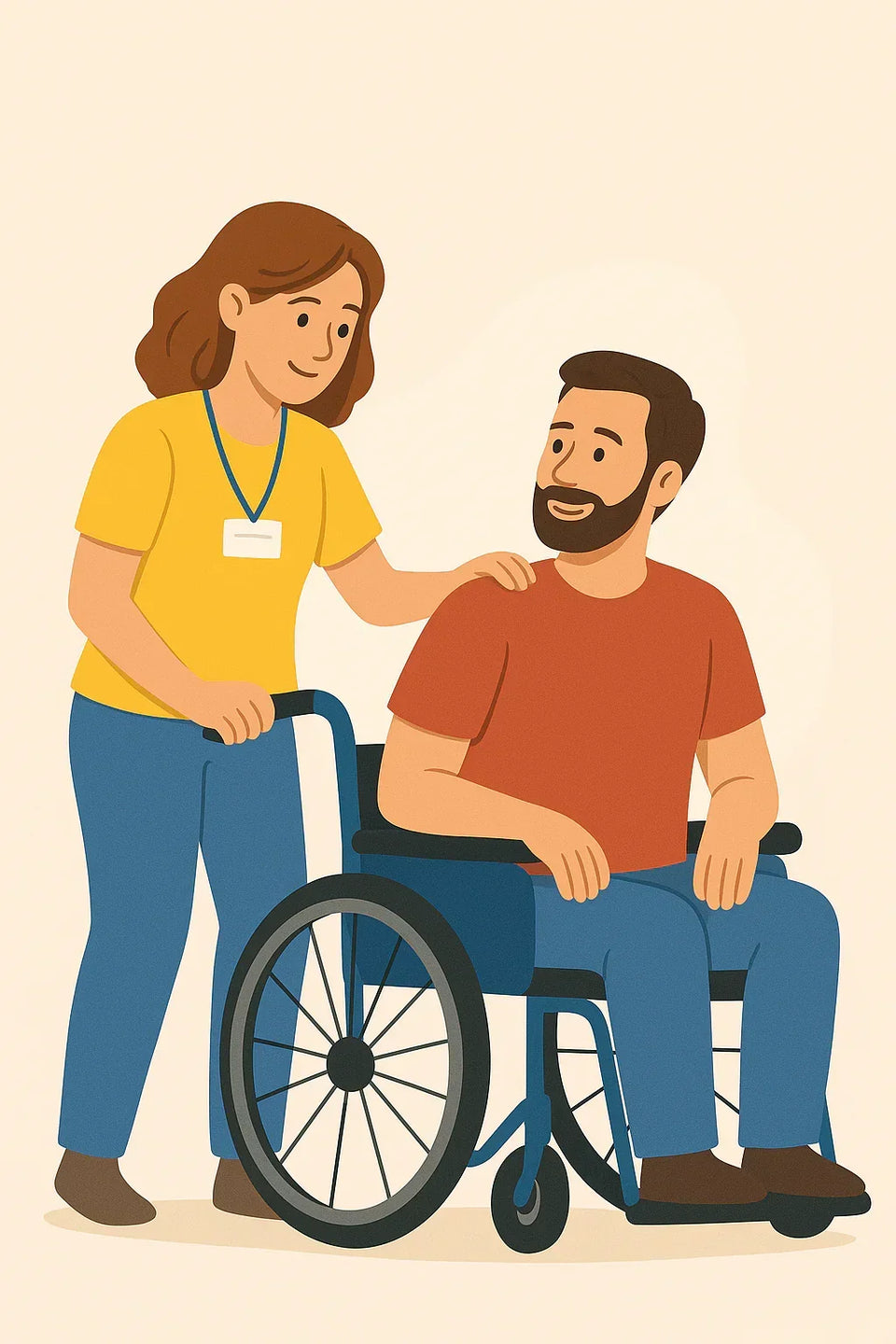

In-depth practical guidance · October 2026

Understanding the functional impact of Optic Atrophy

The same diagnosis can lead to different disability-related needs. For Optic Atrophy, evidence should identify the specific permanent impairment, its severity, the person's current capabilities and the impact on daily activities. A specialist report is more informative when it describes what the individual can and cannot do in real situations, rather than only repeating a diagnosis. It is also important to separate impairment from a temporary medical complication or an activity limitation that has been resolved by appropriate treatment.

Areas to explore during a functional assessment

  • Receiving spoken, signed, tactile or written information in a usable format: document whether the person manages independently, with assistive technology, with verbal prompts or with hands-on help.
  • Navigating unfamiliar buildings, transport and public spaces safely: document whether the person manages independently, with assistive technology, with verbal prompts or with hands-on help.
  • Accessing conversations, warnings, appointments and services: document whether the person manages independently, with assistive technology, with verbal prompts or with hands-on help.
  • Using prescribed sensory equipment or accessible communication supports: document whether the person manages independently, with assistive technology, with verbal prompts or with hands-on help.

Where relevant, ask whether support is needed throughout the day, during particular activities or only during periods of deterioration. Record the frequency, duration and type of assistance. This gives the participant, family and allied health team a practical basis for discussing disability support without presuming a standard level of need.

Detailed examples of support needs

When considering Optic Atrophy, the following reported features can be discussed with the treating team and linked to measurable day-to-day impacts:

  • Reduced visual acuity or difficulty recognising detail: ask the treating professional how this affects the person's usual daily tasks, what is permanent and which support is actually needed.
  • Visual field changes in some people: ask the treating professional how this affects the person's usual daily tasks, what is permanent and which support is actually needed.
  • Altered colour vision: ask the treating professional how this affects the person's usual daily tasks, what is permanent and which support is actually needed.
  • Difficulty with reading, navigation or recognising faces: ask the treating professional how this affects the person's usual daily tasks, what is permanent and which support is actually needed.

For example, a functional report might explain that the person can prepare a simple meal when ingredients are arranged within reach, but needs another person's assistance for tasks requiring sustained standing, safe transfers, sequencing or accessible communication. A different person with the same diagnosis may prepare meals independently and need support mainly with travel or social participation. The report should state the person's actual experience, not copy either example as a presumed fact.

Preparing stronger evidence for the NDIA

  1. Diagnosis and impairment: identify the relevant condition, any confirmed subtype, the body functions affected and why the impairment is considered permanent or likely permanent.
  2. Functional capacity: describe communication, social interaction, learning, mobility, self-care and self-management using concrete tasks and observations.
  3. Support already used: record assistive technology, rehabilitation, clinical treatments and informal assistance, including what these have and have not achieved.
  4. Frequency and reliability: explain how often help is required, whether the person can complete the activity safely and consistently, and whether needs fluctuate.
  5. Participation: document the impact on work, education, family life, community involvement and the person's own goals.
  6. Professional evidence: include the most relevant specialist and allied health reports; ask clinicians to distinguish medical treatment from ongoing disability-related assistance.

The NDIA's functional capacity guidance considers the help a person ordinarily requires, including supervision, guidance, prompting, prescribed equipment or physical assistance. Evidence should reflect the person's usual life, not only their best or worst day.

Building a practical support plan

Start with a goal the person chooses, such as getting ready in the morning, participating in a community group, using public transport or managing a home routine. Identify the barriers, the person's existing skills and the minimum effective support. Consider whether an occupational therapist, physiotherapist, speech pathologist or other qualified professional should assess equipment, communication or safe movement. The person and their chosen representatives should agree on how workers will assist and how progress will be reviewed.

For higher-intensity needs, a written individual care plan should specify the task, clinician instructions, training and escalation procedures. The NDIS may fund eligible disability-related health supports, including some continence, dysphagia, seizure, respiratory and wound supports, but ordinary medical treatment and medicines generally remain healthcare responsibilities. Never assume that all clinical care is funded because a diagnosis appears on List A or List B.

Common questions about daily support and eligibility

What if symptoms change between days?

Describe the pattern over time, including how often a person needs help, the consequences when assistance is unavailable and whether the underlying impairment is permanent. Fluctuating support needs do not automatically mean the impairment is temporary.

What if a condition appears on List B rather than List A?

List B is evidence that a condition is likely to cause permanent impairment. The NDIA still considers substantial functional impact and other access requirements. List A identifies conditions likely to meet disability requirements, sometimes only specified subtypes or severity thresholds.

What should a family ask an allied health practitioner?

Ask which everyday activities are limited, which equipment or strategies could improve independence, how much help is needed and whether the report clearly explains permanent impairment and participation impacts.

Sources: NDIS functional capacity guidance, NDIS List B and NDIS disability-related health supports.

Additional Resources

Ask Izzy

Find nearby support services.

Australian Federation of Disability Organisations (AFDO)

Advocacy for people with disability.

Beyond Blue

Mental health support.

Carer Gateway

Resources for carers.

Carers Australia

National peak body for carers.

Disability Gateway

Support for people with disability.

Head To Health

Mental health resources.

Medicare

Medicare health coverage.

NDIA

National Disability Insurance Agency.

NDIS Commission

Regulation and quality assurance.

NDIS Official Website

Disability support info.

National Disability Services (NDS)

Peak body for disability service providers.

Services Australia

Centrelink services.

联系我们