残障知识

Seckel Syndrome and the NDIS

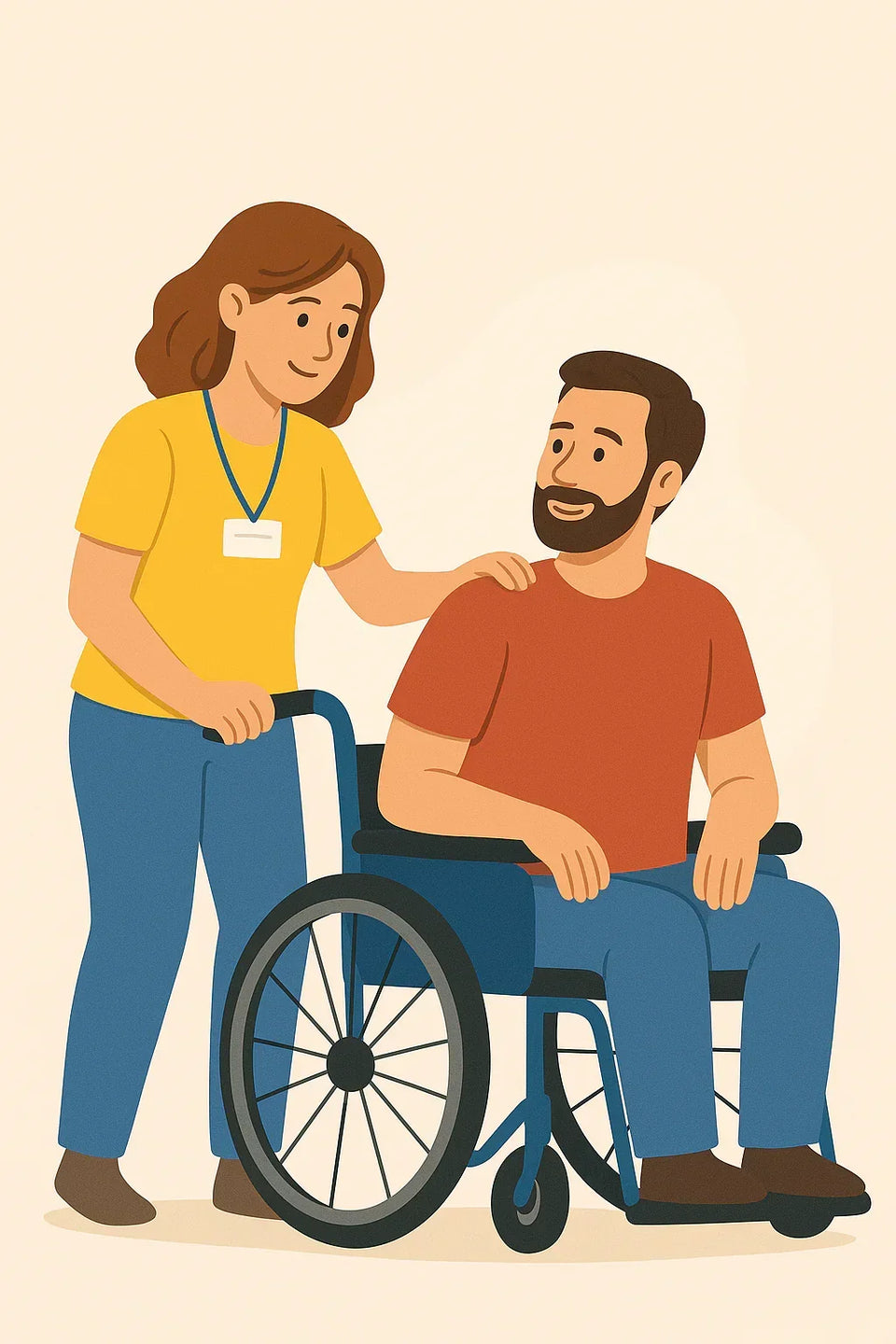
Seckel Syndrome and the NDIS – original blue Beyond Health Services cover illustration

Reliable information about Seckel Syndrome can help people with disability, families and support coordinators understand their options. This Australian guide explores the condition, day-to-day impacts and how the National Disability Insurance Scheme considers eligibility and funding.

Understanding Seckel Syndrome

Seckel syndrome is a rare inherited developmental condition often associated with marked short stature beginning before birth, microcephaly and learning or intellectual disability. Different genetic causes exist, and not everyone experiences the same physical or cognitive needs. Physical appearance is not a sufficient guide to independence or support eligibility.

A diagnosis does not define a person's goals, strengths or preferences. Supports should begin with the individual and reflect how the condition affects their actual everyday activities.

What symptoms and functional challenges may occur?

Possible features are outlined below. They are not universal, and diagnosis and medical care should always come from qualified professionals.

  • Marked small stature and microcephaly
  • Possible mild to severe intellectual disability
  • Developmental or learning delays
  • Potential difficulties accessing standard-size equipment or environments
  • Individual motor and personal care differences
  • Possible additional health issues requiring specialist assessment

How Seckel Syndrome may influence daily life

Support might focus on communication and learning routines, accessible furniture, safe community transport or help completing tasks where physical dimensions create barriers.

When discussing functional needs, consider how someone communicates, socialises, learns, moves, manages self-care and organises their daily life. Look beyond an isolated difficult day: describe tasks that are possible independently, tasks needing prompts, and those where specialist equipment or physical help is required.

Practical support strategies

  • Use appropriately sized equipment and accessibility modifications.
  • Ask about learning supports without assuming an individual's cognitive ability.
  • Provide developmentally appropriate choices and daily living opportunities.
  • Coordinate clinical concerns with qualified specialists.

Support arrangements should preserve informed choice, privacy and access to valued activities. Health tasks must be supported only according to current clinical plans and appropriate worker competencies.

Does Seckel Syndrome qualify for the NDIS?

Seckel syndrome, historically also described as microcephalic primordial dwarfism, is named in the published NDIS List B. The presence and severity of lifelong cognitive, physical and functional impairments vary and should be assessed individually.

The NDIA considers the age and residence requirements, along with either the disability or early intervention rules. Disability access involves impairments that are or are likely to be permanent, substantial reductions in functional capacity, effects on participation and a likely ongoing requirement for NDIS supports. A diagnosis alone is not a substitute for this assessment.

The historical NDIS List A, B and D appendices are useful reference points but not comprehensive lists of all possible eligible diagnoses. List A concerns conditions likely to meet the disability rules and List B concerns conditions likely to lead to permanent impairment. Read the current NDIS eligibility requirements for an up-to-date application.

What evidence should be included in an application?

The most useful evidence explains how permanent impairments affect real tasks and why disability-specific support is needed.

  1. Diagnosis and relevant subtype details from an appropriately qualified specialist.
  2. Information about permanence, treatment options and functional limitations that remain.
  3. Appropriate occupational therapy, speech pathology, physiotherapy or other professional functional reports.
  4. Specific examples of mobility, communication, learning, self-care or self-management needs.
  5. Details about assistive technology, equipment, support frequency and participation goals.

Explain any fluctuating or progressive difficulties and how they affect work, education, friendships and participation in the community. Avoid relying only on a diagnostic certificate.

Supports that may be relevant under an NDIS plan

An eligible participant may have funding for disability-related personal care, daily living assistance, help building independence, community participation, appropriate equipment, occupational therapy, physiotherapy, speech pathology or support coordination. Individual needs, funding categories and the current NDIS support rules determine what can be used.

Medical tests, medications, disease-specific treatment, surgery and hospital services generally remain the responsibility of the health system. Some disability-related health supports can be covered where specific rules are met, with clinical oversight and trained workers.

How Beyond Health Services can help

We take time to understand personal goals, communication preferences, daily routines and the practical requirements of a suitable support worker or allied health service. Beyond Health Services can discuss daily living and community support, relevant disability-related allied health and nursing services, and support coordination. We work with the participant, family or their chosen representatives and confirm individual funding and referral arrangements before service commencement.

Disability knowledge · Updated October 2026

Frequently asked questions about Seckel Syndrome

How do NDIS condition lists relate to Seckel Syndrome?

Seckel syndrome, historically also described as microcephalic primordial dwarfism, is named in the published NDIS List B. The presence and severity of lifelong cognitive, physical and functional impairments vary and should be assessed individually.

Does diagnosis alone guarantee funding?

No. The NDIA assesses the person's impairments against age, residence and disability or early intervention criteria. Supports then depend on an approved individual plan.

Is Seckel syndrome linked to microcephaly?

Yes. Microcephaly is a recognised feature, though the effects vary.

Does shorter stature automatically mean NDIS eligibility?

No. The scheme assesses permanent impairments and their functional effects.

Why is correct equipment sizing important?

It can affect independence, safe transfers, comfort and access to daily tasks.

Can Beyond Health Services discuss the referral process?

Yes. Contact the team with the person's support goals and funded plan information and we can discuss appropriate services and the referral process.

Discuss your next steps

We are here to learn what support would make a difference to the person's everyday life and participation.

Contact Beyond Health Services · support@beyondhealthservices.com.au

Reviewed October 2026. General information only; not medical or individual eligibility advice. Clinical information: condition source. NDIS: official guidance.

In-depth practical guidance · October 2026

Understanding the functional impact of Seckel Syndrome

The same diagnosis can lead to different disability-related needs. For Seckel Syndrome, evidence should identify the specific permanent impairment, its severity, the person's current capabilities and the impact on daily activities. A specialist report is more informative when it describes what the individual can and cannot do in real situations, rather than only repeating a diagnosis. It is also important to separate impairment from a temporary medical complication or an activity limitation that has been resolved by appropriate treatment.

Areas to explore during a functional assessment

  • Understanding and expressing information in the person's preferred format: document whether the person manages independently, with assistive technology, with verbal prompts or with hands-on help.
  • Completing self-care and household routines with or without prompts: document whether the person manages independently, with assistive technology, with verbal prompts or with hands-on help.
  • Moving safely and accessing community activities: document whether the person manages independently, with assistive technology, with verbal prompts or with hands-on help.
  • Learning new practical skills and managing daily decisions: document whether the person manages independently, with assistive technology, with verbal prompts or with hands-on help.

Where relevant, ask whether support is needed throughout the day, during particular activities or only during periods of deterioration. Record the frequency, duration and type of assistance. This gives the participant, family and allied health team a practical basis for discussing disability support without presuming a standard level of need.

Detailed examples of support needs

When considering Seckel Syndrome, the following reported features can be discussed with the treating team and linked to measurable day-to-day impacts:

  • Marked small stature and microcephaly: ask the treating professional how this affects the person's usual daily tasks, what is permanent and which support is actually needed.
  • Possible mild to severe intellectual disability: ask the treating professional how this affects the person's usual daily tasks, what is permanent and which support is actually needed.
  • Developmental or learning delays: ask the treating professional how this affects the person's usual daily tasks, what is permanent and which support is actually needed.
  • Potential difficulties accessing standard-size equipment or environments: ask the treating professional how this affects the person's usual daily tasks, what is permanent and which support is actually needed.

For example, a functional report might explain that the person can prepare a simple meal when ingredients are arranged within reach, but needs another person's assistance for tasks requiring sustained standing, safe transfers, sequencing or accessible communication. A different person with the same diagnosis may prepare meals independently and need support mainly with travel or social participation. The report should state the person's actual experience, not copy either example as a presumed fact.

Preparing stronger evidence for the NDIA

  1. Diagnosis and impairment: identify the relevant condition, any confirmed subtype, the body functions affected and why the impairment is considered permanent or likely permanent.
  2. Functional capacity: describe communication, social interaction, learning, mobility, self-care and self-management using concrete tasks and observations.
  3. Support already used: record assistive technology, rehabilitation, clinical treatments and informal assistance, including what these have and have not achieved.
  4. Frequency and reliability: explain how often help is required, whether the person can complete the activity safely and consistently, and whether needs fluctuate.
  5. Participation: document the impact on work, education, family life, community involvement and the person's own goals.
  6. Professional evidence: include the most relevant specialist and allied health reports; ask clinicians to distinguish medical treatment from ongoing disability-related assistance.

The NDIA's functional capacity guidance considers the help a person ordinarily requires, including supervision, guidance, prompting, prescribed equipment or physical assistance. Evidence should reflect the person's usual life, not only their best or worst day.

Building a practical support plan

Start with a goal the person chooses, such as getting ready in the morning, participating in a community group, using public transport or managing a home routine. Identify the barriers, the person's existing skills and the minimum effective support. Consider whether an occupational therapist, physiotherapist, speech pathologist or other qualified professional should assess equipment, communication or safe movement. The person and their chosen representatives should agree on how workers will assist and how progress will be reviewed.

For higher-intensity needs, a written individual care plan should specify the task, clinician instructions, training and escalation procedures. The NDIS may fund eligible disability-related health supports, including some continence, dysphagia, seizure, respiratory and wound supports, but ordinary medical treatment and medicines generally remain healthcare responsibilities. Never assume that all clinical care is funded because a diagnosis appears on List A or List B.

Common questions about daily support and eligibility

What if symptoms change between days?

Describe the pattern over time, including how often a person needs help, the consequences when assistance is unavailable and whether the underlying impairment is permanent. Fluctuating support needs do not automatically mean the impairment is temporary.

What if a condition appears on List B rather than List A?

List B is evidence that a condition is likely to cause permanent impairment. The NDIA still considers substantial functional impact and other access requirements. List A identifies conditions likely to meet disability requirements, sometimes only specified subtypes or severity thresholds.

What should a family ask an allied health practitioner?

Ask which everyday activities are limited, which equipment or strategies could improve independence, how much help is needed and whether the report clearly explains permanent impairment and participation impacts.

Sources: NDIS functional capacity guidance, NDIS List B and NDIS disability-related health supports.

Additional Resources

Ask Izzy

Find nearby support services.

Australian Federation of Disability Organisations (AFDO)

Advocacy for people with disability.

Beyond Blue

Mental health support.

Carer Gateway

Resources for carers.

Carers Australia

National peak body for carers.

Disability Gateway

Support for people with disability.

Head To Health

Mental health resources.

Medicare

Medicare health coverage.

NDIA

National Disability Insurance Agency.

NDIS Commission

Regulation and quality assurance.

NDIS Official Website

Disability support info.

National Disability Services (NDS)

Peak body for disability service providers.

Services Australia

Centrelink services.

联系我们