Understanding the NDIS · Practical guide
Can the NDIS Fund Driving Lessons or Vehicle Modifications?
Driving can support independence, work and community access, but NDIS funding is targeted. Ordinary driving practice and vehicle running costs are not the same as specialised disability-related training.
What may be funded?
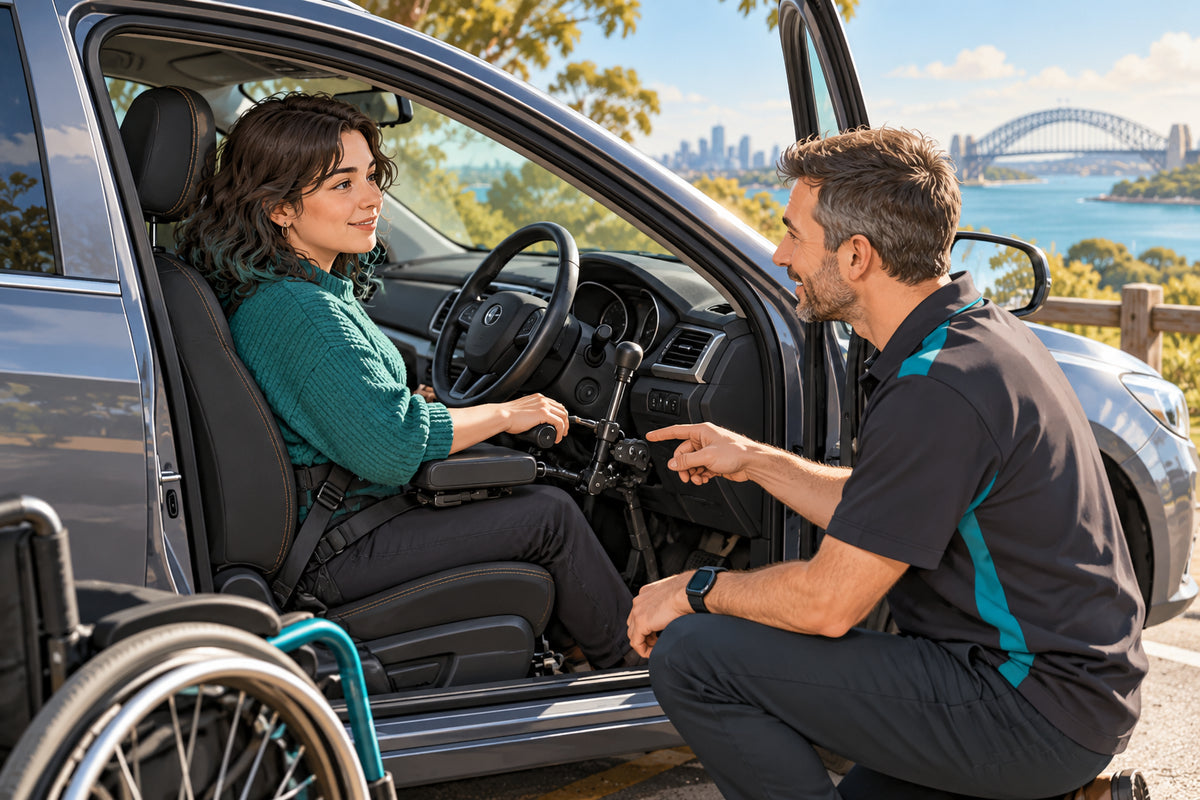
Depending on a participant’s circumstances, the NDIS may fund changes to a vehicle so the person can drive or travel safely, and specialised complex-care planning needed because of disability or to learn to use vehicle modifications. Examples can include adapted driving controls, wheelchair ramps or hoists, and modified restraints or seating.
These supports must be related to the participant’s disability and meet the NDIS funding rules. The NDIA may consider whether the modification is appropriate for the person, safe, effective, value for money and a better fit than other available options. A driving-related request is not automatically approved simply because a person wants to drive or has a licence goal.
What is usually not funded?
The NDIS guidance distinguishes specialised training linked to disability needs from ordinary complex-care support or supervision to complete required learner practice hours. It also excludes ordinary costs of owning and running a vehicle, such as purchase, registration, insurance, fuel, servicing and general repairs. Check the current guideline for the exact rule and your circumstances.
Assessment and evidence
For driving modifications or specialised training, the NDIA guidance identifies an occupational therapy appropriately qualified clinician as an important source of evidence. The assessment may need to address functional driving capacity, safety, the modifications or training required, alternatives, supplier quotes and the expected benefit. A medical clearance or other information may also be required in the participant’s situation.
For passenger modifications, the required assessment can differ. The current NDIA evidence guide and vehicle modification guideline explain who should provide reports and what information must be included. Ask the assessor to connect their recommendations to everyday function and disability support needs, rather than only listing equipment.
Practical steps before requesting funding
- Identify the specific barrier: driving controls, transfers, wheelchair access, passenger safety or training to use an approved modification.
- Check the current plan and discuss the goal with your my NDIS contact or support coordinator if you have one.
- Ask the NDIA or its current guidance what assessment and evidence are required before booking or buying anything.
- Arrange the appropriate driver-trained OT assessment and any other required report.
- Obtain quotes and compare suitable options; do not order or install costly modifications before funding is confirmed.
- Follow state or territory licensing and vehicle-safety requirements as well as NDIS processes.
Before you book or purchase
- Is the request for specialised disability-related support or ordinary learner practice?
- Has a suitably qualified assessor recommended the specific training or modification?
- Does the report explain safety, alternatives, costs and likely functional outcomes?
- Have you checked whether the plan needs a reassessment or a request to vary funding?
- Do you have written confirmation of funding before you incur the cost?
Frequently asked questions
Will the NDIS pay for all my learner complex-care support?
Generally, ordinary lessons and supervision to complete learner practice hours are not specialised NDIS supports. Specialised training may be considered where disability creates a need for it, such as learning to use vehicle modifications, and the funding criteria are met.
Can the NDIS buy me a car?
NDIS funding is generally for disability-related supports, not ordinary vehicle purchase or running costs. A specific modification may be considered separately when evidence and funding rules are satisfied.
Should I install a modification before the plan decision?
Do not commit to a major purchase or installation until you understand the required process and have confirmation of funding. The NDIA may need evidence and quotes before deciding.
Beyond Health Services can discuss your goals, existing plan and the supports you are looking for. Funding decisions are made by the NDIA and depend on your individual circumstances.
Official sources and further reading
Guidance can change. Check the official NDIS information before making a funding or service decision.





















