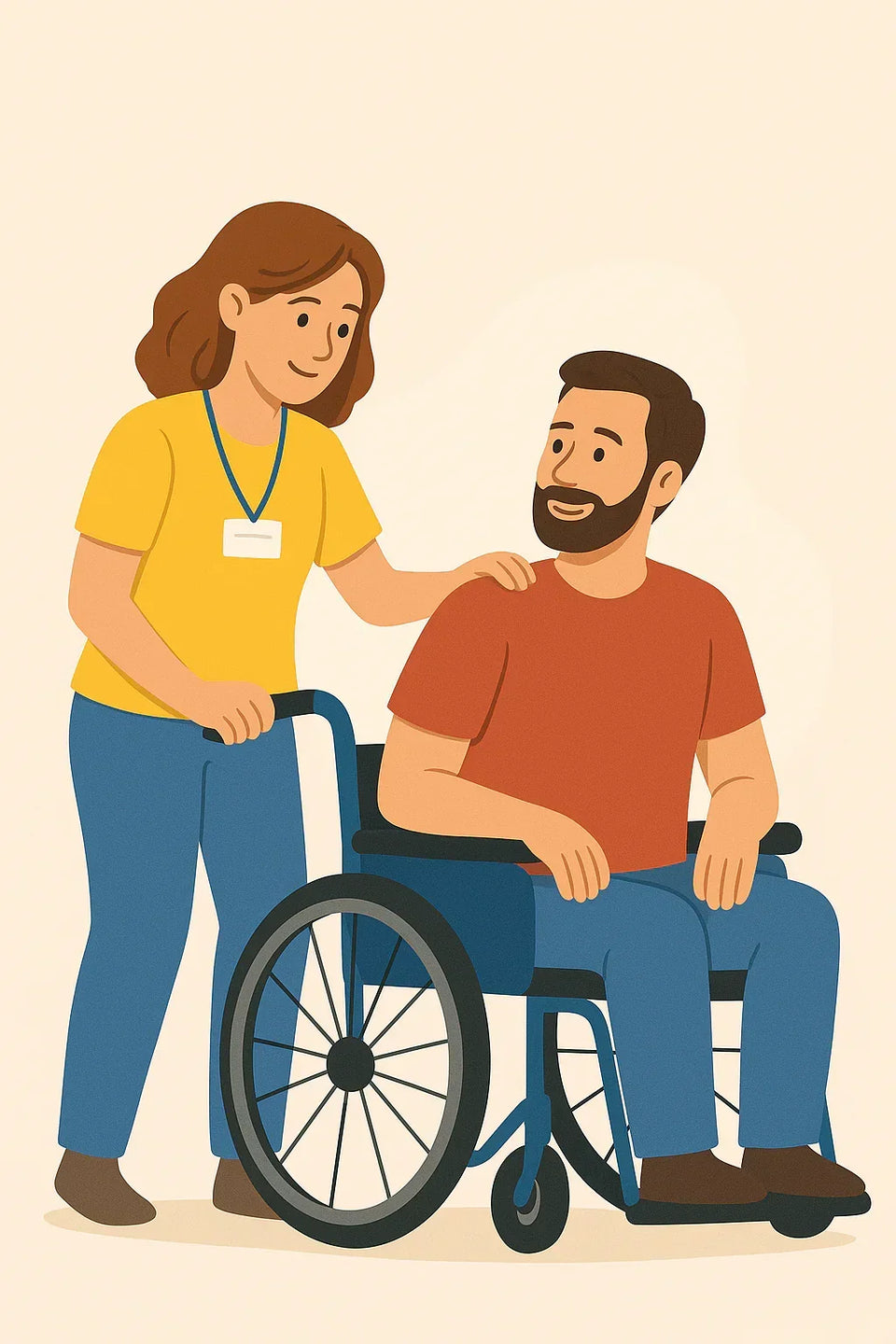
Caregiving is a noble and rewarding endeavor, but it also comes with a significant mental and emotional toll. As individuals who dedicate their time and energy to supporting the well-being of others, carers often find themselves navigating a complex web of responsibilities, emotions, and personal needs. In this comprehensive blog post, we will explore the psychology of caregiving, delving into the unique challenges carers face and the strategies they can employ to maintain their own mental health and well-being.
The Emotional Landscape of Caregiving
Caregiving is a deeply personal and emotionally charged experience. Carers often find themselves navigating a range of emotions, from the joy and fulfilment of making a positive impact on someone's life to the overwhelming feelings of stress, anxiety, and burnout. Understanding the emotional landscape of caregiving is crucial for developing effective coping mechanisms and maintaining a healthy mindset.
The Joys of Caregiving
While caregiving can be demanding, it also presents numerous opportunities for personal growth and fulfilment. Witnessing the progress and improvements in the care recipient's well-being, forming meaningful connections, and playing a vital role in someone's life can be immensely rewarding. Carers often report a deep sense of purpose and satisfaction in their work, which can serve as a powerful source of motivation and resilience.
The Challenges of Caregiving
Caregiving, however, is not without its challenges. Carers may face emotional exhaustion, feelings of isolation, and a constant struggle to balance their own needs with the needs of the care recipient. The demands of caregiving can be overwhelming, leading to increased stress, anxiety, and even depression. Recognising and addressing these challenges is crucial for maintaining a healthy and sustainable caregiving practice.
The Mental Load of Caregiving
Caregiving is not just a physical task; it also involves a significant mental and cognitive load. Carers must constantly juggle a variety of responsibilities, from coordinating medical appointments and managing medications to ensuring the care recipient's emotional and social needs are met. This mental load can be incredibly taxing, leading to cognitive fatigue, difficulty concentrating, and decision-making challenges.
Navigating the NDIS System
For carers supporting individuals with disabilities or in need of aged care services, the National Disability Insurance Scheme (NDIS) can add an additional layer of complexity to the caregiving experience. Understanding the NDIS system, navigating the application process, and advocating for the care recipient's needs can be a daunting task, further contributing to the mental load of caregiving.
Maintaining Emotional Resilience
Caregiving also requires a significant emotional investment, as carers must be attuned to the care recipient's emotional state and provide the necessary support and empathy. This emotional labor can be draining, leading to carer burnout and a diminished capacity to provide high-quality care. Developing strategies to maintain emotional resilience and prevent burnout is crucial for sustaining a healthy caregiving practice.
Strategies for Carer Well-being
Recognising the unique challenges of caregiving is the first step towards developing effective coping mechanisms and maintaining personal well-being. By implementing the following strategies, carers can prioritise their own mental health while continuing to provide exceptional care to their loved ones.
Establishing Boundaries and Self-care Practices
Carers must learn to set boundaries and prioritise their own self-care. This may involve scheduling regular breaks, engaging in stress-reducing activities, and seeking support from family, friends, or professional counselling services. By taking care of themselves, carers can better manage the demands of their role and avoid burnout.
Cultivating a Support Network
Caregiving can be an isolating experience, but building a strong support network can make a significant difference. Connecting with other carers, joining support groups, and enlisting the help of family members or professional carers can provide much-needed emotional and practical support.
Embracing Flexible and Personalised Care Solutions
Leveraging the services of organisations like Beyond, which offer flexible and personalised NDIS and aged care support, can alleviate the mental load of caregiving. By accessing trusted support workers and tailored care solutions, carers can focus on their own well-being while ensuring their loved ones receive the high-quality care they deserve.
Conclusion
Caregiving is a profound and meaningful act, but it also comes with significant mental and emotional challenges. By understanding the psychology of caregiving, developing effective coping strategies, and prioritising self-care, carers can maintain their own well-being while continuing to provide exceptional support to their loved ones. Remember, caring for yourself is just as important as caring for others, and by doing so, you can ensure a sustainable and fulfilling caregiving practice.