Understanding Harlequin Ichthyosis is about much more than recognising a diagnosis. Everyone has different strengths, goals, daily routines and challenges. This Australian guide explains what the condition can involve, what kinds of disability-related supports may be useful, and how the NDIS considers eligibility.
Understanding Harlequin Ichthyosis
Harlequin ichthyosis is a severe inherited disorder of the skin barrier associated with changes in the ABCA12 gene. It is present from birth and can require intensive medical management. As people grow, ongoing skin care, temperature regulation and mobility impacts may influence daily activities; individual outcomes have improved with specialist care.
There is no single experience of Harlequin Ichthyosis. Diagnosis is only a starting point for discussing individual needs. Family members, support coordinators and professionals should listen to the person's own preferences, communication methods and goals before deciding what assistance might help.
Possible traits, symptoms and support considerations
Features can change over time or differ from one person to another. These are possible effects, not a list of traits that everyone with Harlequin Ichthyosis will have:
- Very thick or rigid skin at birth and continuing scaling
- Skin fragility, discomfort and increased care needs
- Risk of infection and temperature regulation difficulties
- Limited movement when skin tightness affects joints
- Time-consuming skin routines requiring appropriate clinical advice
- Potential social participation and comfort challenges
How Harlequin Ichthyosis can affect everyday activities
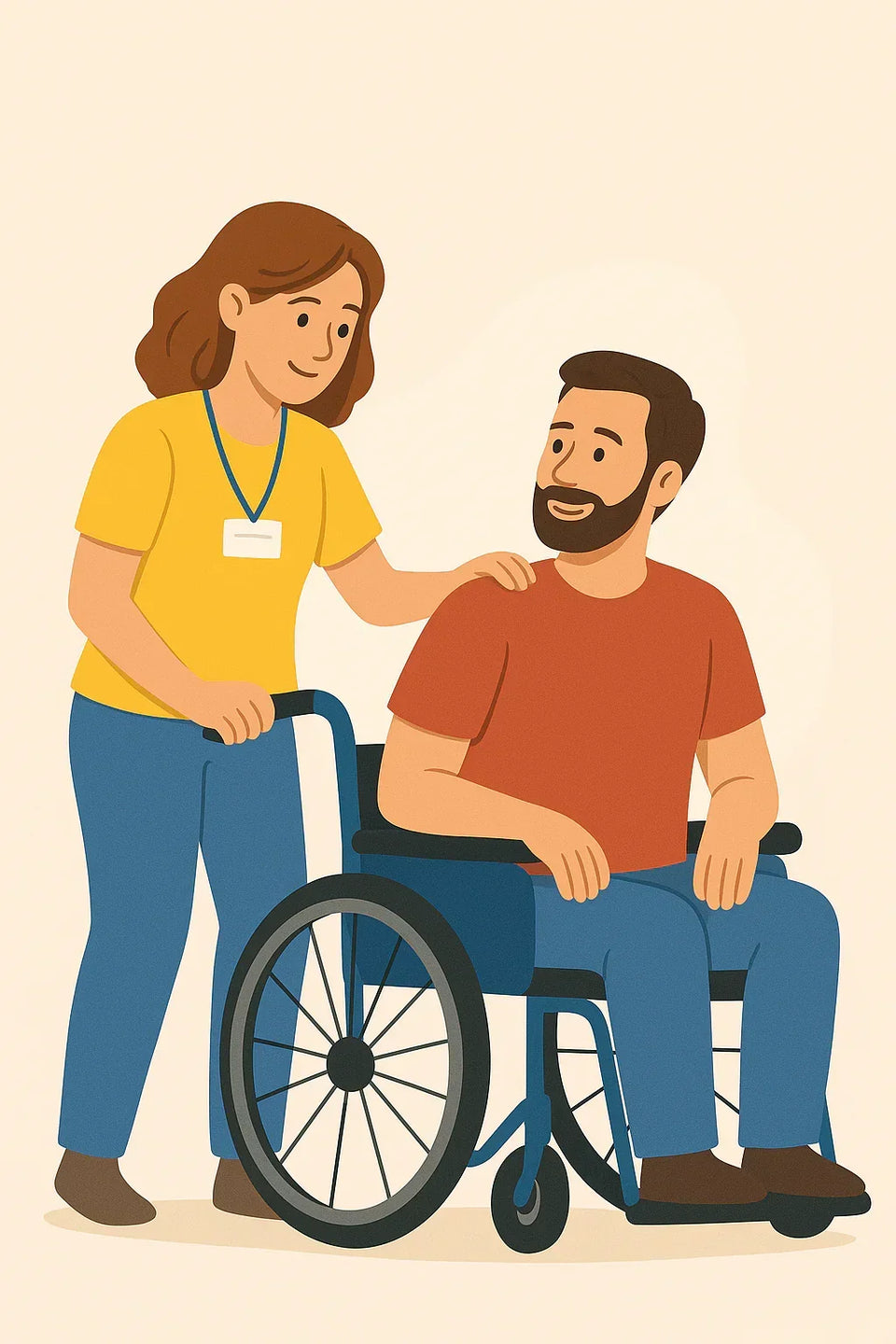
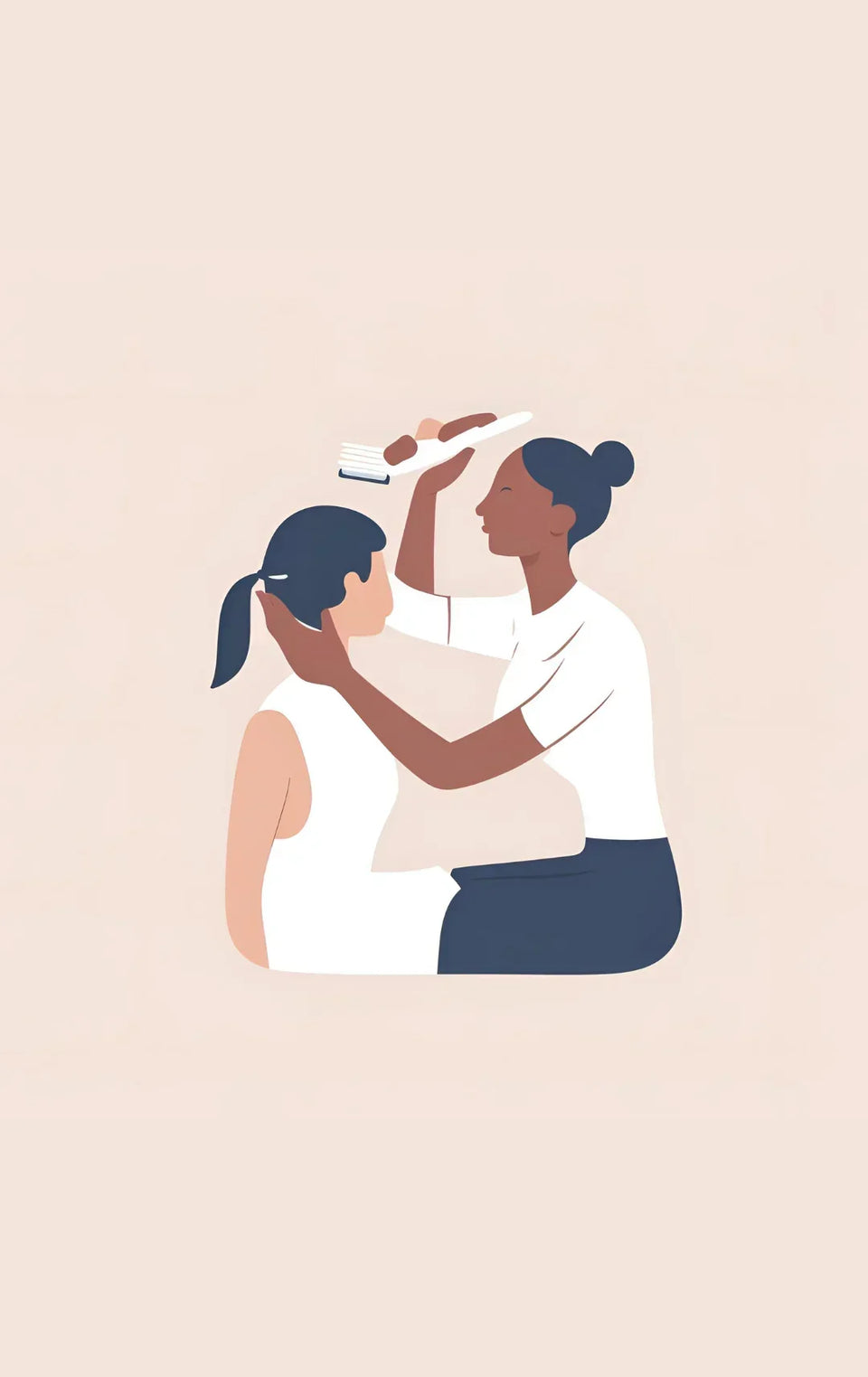
People may need support with dressing, bathing and attending activities while following an individual dermatology care plan.
NDIS applications and support plans consider everyday functioning in areas such as communication, social interaction, learning, movement, self-care and self-management. For Harlequin Ichthyosis, it can be particularly useful to examine mobility, physical access and self-care. Rather than only listing symptoms, look at practical examples. Does the person need physical help to complete a task? Can they do it with equipment, reminders or changes to the environment? How often is assistance needed, and what happens if it is unavailable?
Functional impacts may be invisible to others, fluctuate from day to day or change as a condition progresses. Describing the person's usual experience, including difficulties and strengths, gives a more realistic picture than documenting only the worst day.
Practical ways to support someone with Harlequin Ichthyosis
Start with the person's goals and communication
Ask what the person wants to achieve and how they prefer to receive information. Use direct, respectful language. Where communication is affected, pictures, assistive communication or simply allowing more time may support informed decisions. Do not assume that a difference in speech, mobility or appearance indicates a particular level of understanding.
Build everyday skills without removing choice
Break complex tasks into manageable steps, encourage independence where safe and useful, and adapt the environment rather than expecting the individual to fit an unsuitable routine. Occupational therapists and other relevant professionals can assess ways to make home activities more accessible.
Work with qualified professionals for medical or complex needs
Medical treatments, medicines and clinical assessments generally belong with the health system. If the individual needs specialised feeding, seizure, mobility, wound or respiratory assistance, workers must follow an individualised care plan and appropriate training. A support worker should not independently change clinical treatment.
Support genuine community participation
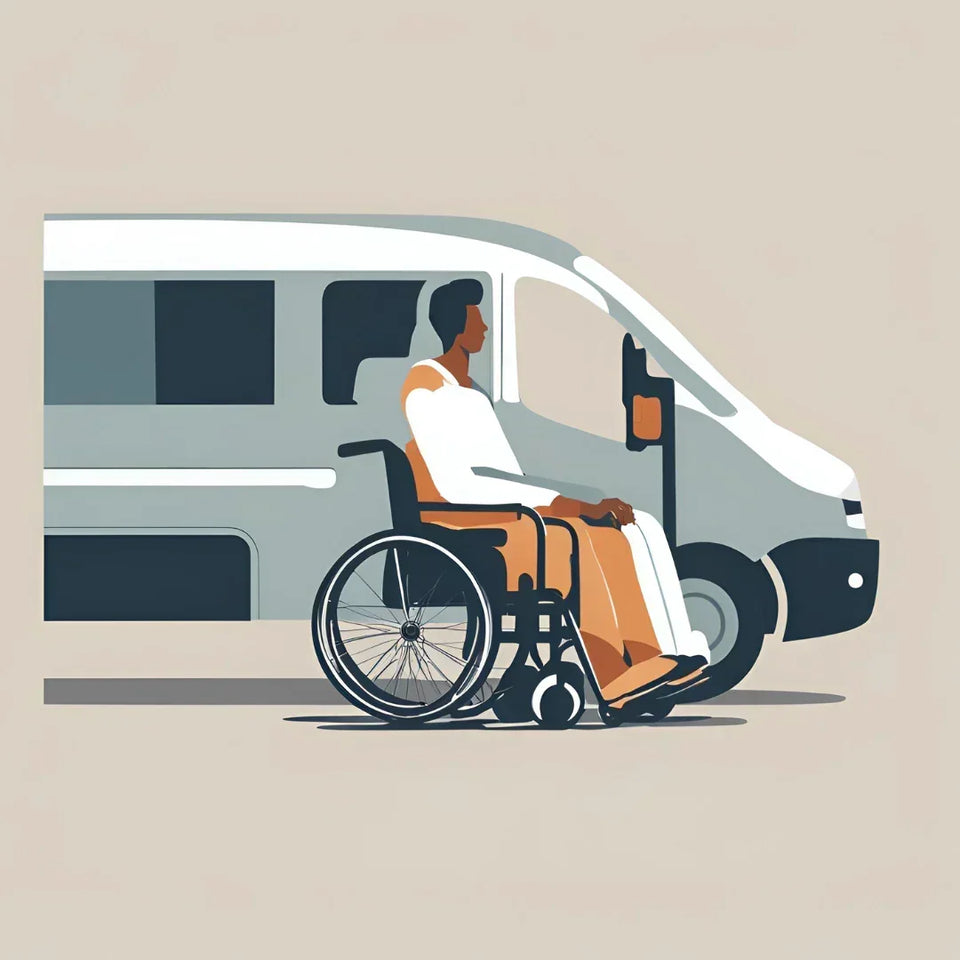
Consider transport, accessible venues, sensory and communication access, timing and the person's interests. Participation might mean developing a hobby, attending a community event, visiting friends, going shopping or building skills for study and employment. The right support should fit the person's preferences.
Does Harlequin Ichthyosis qualify for the NDIS?
Harlequin type ichthyosis is specifically included in the historical NDIS List B under physical impairment.
The NDIS does not have a complete list of every diagnosis that could qualify. List A is guidance about conditions likely to meet disability requirements; List B identifies conditions likely to involve permanent impairment for which further evidence of functional impact is generally needed. Even when a condition is listed, there are separate age and residence requirements. The NDIA considers the nature and permanence of an impairment, its substantial effect on everyday function and participation, and likely need for NDIS support over the person's lifetime. An early intervention pathway may apply in other circumstances.
See the NDIS published List A and List B appendices, the official NDIS application information and current operational guidelines. The exact condition subtype and severity can be important when using historical list wording.
Evidence that can explain the person's support needs
Dermatology evidence plus functional assessments of self-care, movement and ongoing assistance; specialist health treatment remains a healthcare matter.
The most helpful evidence is relevant, functional and person-specific. Depending on the circumstances, an application might include:
- A diagnosis and evidence of permanence from an appropriately qualified medical professional.
- Descriptions of ordinary daily activities that require assistance, supervision, prompting or equipment.
- Occupational therapy, physiotherapy, speech pathology, functional vision or hearing reports where relevant to the impairment.
- Information about treatments or interventions tried or considered and the resulting lasting limitations.
- The person's goals, social and economic participation and expected long-term disability-related assistance.
For people with progressive or episodic impairments, describe both current function and how support needs have changed. No one should be assessed solely on a good day, and a diagnosis alone is not the same as evidence of practical disability.
What NDIS supports may be relevant?
If a person becomes an NDIS participant, possible funded supports depend on their approved plan and the NDIS funding rules. These might include disability support workers for personal care or community activities, building daily living skills, occupational therapy, physiotherapy, speech pathology, assistive technology, or support coordination. Some people may have needs involving disability-related nursing or health supports where the relevant rules and professional safeguards are met.
Funding is not automatic for a particular service simply because a condition is recognised. General medical assessments, medication, surgery, hospital treatment and ordinary healthcare remain chiefly health-system responsibilities. An individual plan must determine which supports are approved and appropriate.
How Beyond Health Services can help
Beyond Health Services takes a person-centred approach to disability support across Australia. Our team can discuss daily living, community participation, disability-related allied health support, nursing care and support coordination where suitable. We work with participants, families, nominees and support coordinators to understand communication preferences, routines, interests, practical goals and staff competency requirements.
When you decide to proceed, our team can provide the referral link and discuss how services might be arranged around the participant's needs and approved funding. We focus on clear information, respectful communication and the individual, not just their diagnosis.
Frequently asked questions about Harlequin Ichthyosis and the NDIS
Is Harlequin Ichthyosis on an NDIS condition list?
Harlequin type ichthyosis is specifically included in the historical NDIS List B under physical impairment.
Does this diagnosis automatically mean someone will receive an NDIS plan?
No. The NDIA assesses the relevant disability or early intervention access requirements, along with age, residence and appropriate supporting evidence. Published condition lists are guides to parts of that process.
What are some challenges or effects associated with Harlequin Ichthyosis?
Very thick or rigid skin at birth and continuing scaling; Skin fragility, discomfort and increased care needs; Risk of infection and temperature regulation difficulties. These may not affect everyone, and healthcare professionals can explain the person's specific presentation.
What should families focus on when collecting evidence?
Describe exactly which tasks require assistance, how often the person needs that assistance, what equipment or strategies already help, and whether the need is ongoing. Relevant professional evidence helps explain the permanent impairment and functional impacts.
Can NDIS funding include allied health therapy and support workers?
It may, if the person is an eligible participant and the relevant disability-related service meets the applicable rules and their plan. Therapy and worker support must be connected to the person's individual goals and needs.
What is the first step in contacting Beyond Health Services?
Tell us about the person's goals and the sort of support they are looking for. We can discuss available service types and provide the appropriate referral link when the person decides to proceed.
Let's talk about the support that matters to you
Every journey is different. Share your goals and preferences so our team can discuss an appropriate next step.
Contact Beyond Health Services · support@beyondhealthservices.com.au
Information reviewed October 2026. This guide is educational and does not substitute for a medical assessment, financial advice or an NDIA access decision. For current requirements, consult the NDIS.