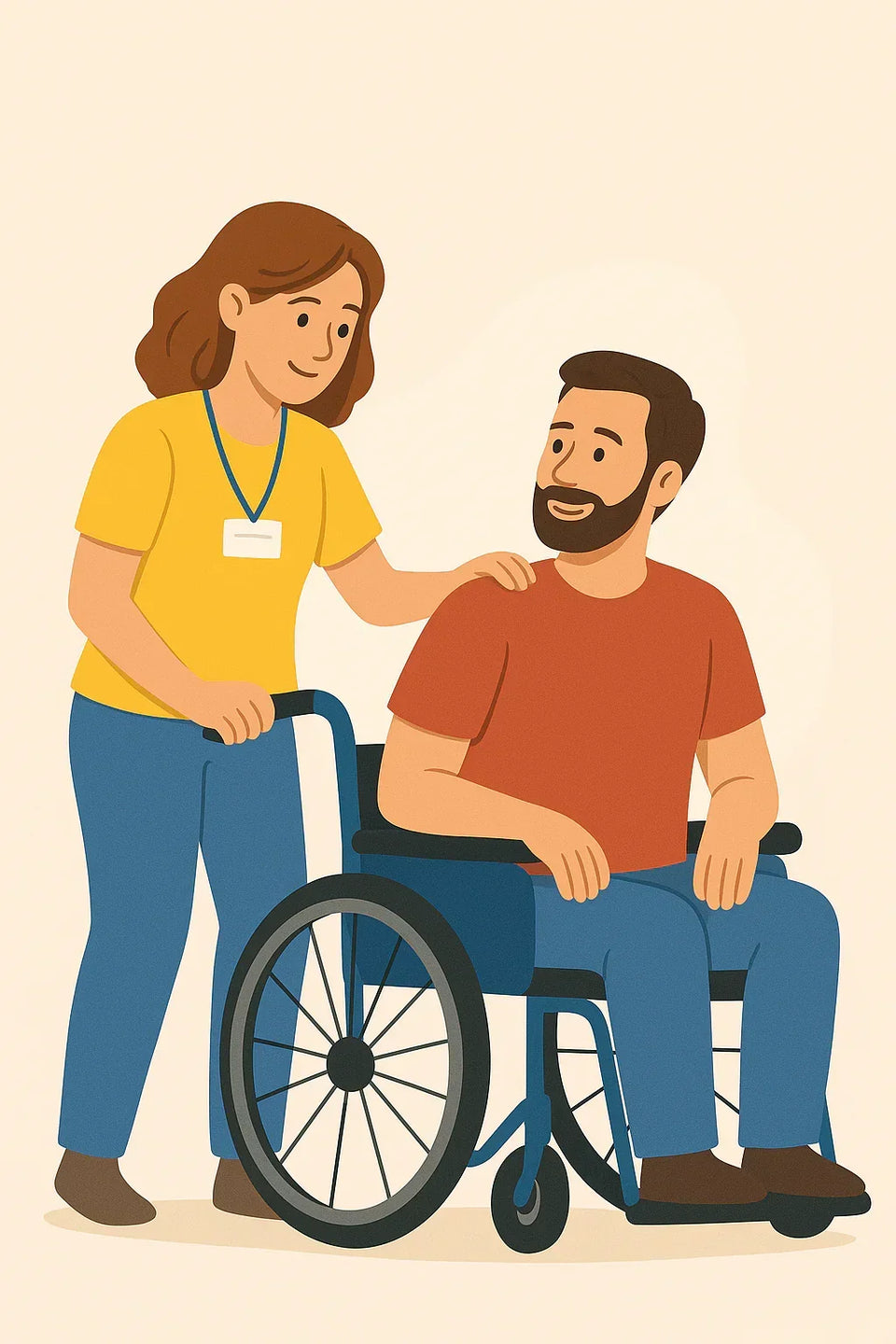
Marfan Syndrome is a genetic disorder that affects the body's connective tissue, which is crucial for supporting and holding together various parts of the body. This disorder can have a profound impact on an individual’s life, but with the right support, people with Marfan Syndrome can lead fulfilling lives. In this blog post, we will explore Marfan Syndrome, its traits, how to best assist individuals with this condition, and how the National Disability Insurance Scheme (NDIS) can play a supportive role, particularly in Melbourne where Beyond Health Services operates as a prominent provider.
Understanding Marfan Syndrome
Marfan Syndrome is a hereditary condition caused by a defect in the gene responsible for the formation of connective tissue. This disorder can manifest differently in each individual, with some experiencing mild symptoms and others having more severe impacts. The features of Marfan Syndrome often include elongated limbs, fingers, and toes, a curved spine, and cardiovascular complications. Vision issues are also common, as the disorder can affect the eyes’ connective tissues.
Common Traits
- Skeletal Abnormalities: Individuals may have tall stature, long limbs and fingers, and scoliosis.
- Cardiovascular Concerns: The disorder can weaken the aorta, increasing the risk of an aneurysm or dissection, which is life-threatening if not managed.
- Ocular Issues: Dislocated lens in the eye and myopia are prevalent among those with Marfan Syndrome.
- Respiratory Challenges: Some may experience difficulties due to changes in their rib cage or lung tissue.
Supporting Individuals with Marfan Syndrome
Effectively supporting someone with Marfan Syndrome involves a multidisciplinary approach. Medical management is essential, often requiring regular check-ups with healthcare professionals to monitor cardiovascular, skeletal, and ocular health. In addition to medical care, psychological support, educational adjustments, and physical therapy may be required.
Best Practices for Support
- Regular Medical Monitoring: Consistent follow-ups with cardiologists, orthopedists, and ophthalmologists are vital.
- Physical Therapy: Custom exercises can assist in maintaining mobility and reducing pain.
- Occupational Therapy: Helps adapt daily tasks to minimise physical strain.
- Emotional Support: Counselling can assist individuals in managing mental health challenges associated with living with a chronic condition.
- Educational Support: Tailored accommodations to support learning in school or university settings.
The Role of the NDIS in Supporting Marfan Syndrome
The NDIS provides tailored support to Australians with disabilities, helping them achieve their goals and enhance their quality of life. For individuals with Marfan Syndrome, the NDIS can fund a range of services and supports based on their specific needs.
Benefits of the NDIS for Marfan Syndrome
- Individualised Plans: Participants receive plans customised to their unique needs, which may include therapies, equipment, and support workers.
- Assistance with Daily Living: Services to help manage daily routines safely and effectively.
- Health and Well-being: Funding for nutritional guidance, exercise plans, and healthcare appointments.
- Community Participation: Support to encourage engagement in community activities, promoting social inclusion and personal development.
Required Services
Those living with Marfan Syndrome may require:
- Assistive Technologies: Tools and equipment to aid in mobility and daily tasks.
- Therapeutic Support: Services such as physiotherapy, occupational therapy, and counselling.
- Transport Services: Support to travel to medical appointments or community activities safely.
- Plan Management: Assistance in organising and optimising services for maximum benefit.
How Beyond Health Services Can Help
Based in Melbourne, Beyond Health Services is committed to providing comprehensive support as a registered NDIS provider. Our team understands the unique needs of those living with Marfan Syndrome and can assist in navigating the complexities of the NDIS to ensure that each participant receives the best possible support.
Our Services Include:
- Personalised Care Plans: Developed in collaboration with clients and their families to address their specific needs and goals.
- Qualified Professionals: Access to trained specialists and therapists who can provide both medical and emotional support.
- Plan Coordination: Assistance in managing and coordinating various healthcare and support services efficiently.
- Ongoing Support: Regular reviews and updates to care plans to adapt to changing needs.
To find out more about how Beyond Health Services can assist with Marfan Syndrome and the NDIS, feel free to reach out to us. Contact Us Here
Whether you're seeking information or ready to start your journey with the NDIS, our team is here to guide you every step of the way, ensuring that you receive the most effective and compassionate support available.
Living with Marfan Syndrome: what to know about NDIS eligibility
Every person's experience of Marfan Syndrome is different. The relevant question for NDIS access is not simply whether a diagnosis appears on a list, but whether an impairment is permanent, substantially affects daily activities, affects participation and is likely to require NDIS supports throughout life. Age, residency and early intervention rules also matter.
A diagnosis of Marfan Syndrome does not by itself establish or exclude NDIS access. The NDIA considers whether there is an eligible permanent impairment and its effect on everyday functioning; the published condition lists are guidance rather than an exhaustive list of all eligible diagnoses.
How Marfan Syndrome may affect everyday activities
For Marfan Syndrome, a useful starting point is to look at mobility, physical access and self-care: walking, transfers, dressing, household tasks, access to community activities and maintaining routines. The nature and extent of these impacts can vary considerably between people.
Focus on actual limitations and the level of assistance needed, rather than pain intensity or diagnosis alone.
- Communication: Can the person express choices, understand information and ask for help when they need it?
- Mobility and access: Can they move safely at home, outdoors and when using transport, with or without equipment?
- Self-care: Which parts of getting dressed, washing, eating or managing home tasks require practical assistance?
- Learning and self-management: Does planning, remembering or completing routines require prompting, supervision or ongoing support?
- Participation: What changes would help the person take part in relationships, community activities, work or study?
Evidence that helps explain support needs
When preparing an NDIS access request, ask the relevant treating professional to explain the impairment, whether it is likely to be permanent, treatments already considered and the impact on daily functional capacity. A diagnosis or medical history alone may not explain how much support is needed.
- Describe a normal day and a difficult day, including the activities that require another person's assistance or specialised equipment.
- Record how often support is needed, what type of help is required and what happens when it is unavailable.
- Describe the effect on communication, social participation, mobility, learning, self-care or self-management.
- Include professional observations or assessments where relevant, such as functional assessments, occupational therapy reports or specialist evidence.
- Explain disability-related supports already used, the outcomes and ongoing requirements.
Supports that may be relevant
Depending on approved funding, disability-related needs and the rules for each support, people living with Marfan Syndrome might discuss assistive technology, home accessibility modifications and eligible assistance with daily living. The type, quantity and purpose of support must fit the individual's plan; none of these items is guaranteed merely because of the diagnosis.
NDIS-funded support is different from medical diagnosis, medicines, hospital treatment and other services ordinarily funded through the Australian health system. Some disability-related health supports can be funded when they meet the NDIS rules, but not every health service is an NDIS support.
Questions to ask when planning your next step
- What parts of daily life would you most like to make easier or more independent?
- Which activities require hands-on help, prompting, technology or a change to the environment?
- What communication methods, cultural preferences, routines and worker characteristics are important to you?
- Which supports are already available through health, education, family, community or other systems?
- What does the current plan actually fund, and which services require approval or a new assessment?
Frequently asked questions about Marfan Syndrome and the NDIS
Does Marfan Syndrome automatically qualify someone for the NDIS?
No diagnosis guarantees access for everyone. The NDIA assesses the applicable access or early intervention criteria and evidence. A diagnosis of Marfan Syndrome does not by itself establish or exclude NDIS access. The NDIA considers whether there is an eligible permanent impairment and its effect on everyday functioning; the published condition lists are guidance rather than an exhaustive list of all eligible diagnoses.
What sort of evidence should be included?
Include a diagnosis and relevant professional evidence together with specific examples of how permanent impairments affect day-to-day activities, participation and the level of assistance or equipment needed. The NDIA may ask for more information.
Can NDIS funding pay for ongoing support workers or therapy?
Potentially, where the support is an eligible NDIS support, directly related to the participant's disability needs, and included in or consistent with their approved plan. The NDIA does not automatically fund a particular therapy or level of personal assistance for everyone with Marfan Syndrome.
Does the NDIS fund treatment for Marfan Syndrome?
Diagnosis, medicines and general clinical treatment are ordinarily health-system responsibilities. The NDIS can fund eligible disability-related supports, and some disability-related health supports, when the individual plan and applicable rules allow it.
What if Marfan Syndrome is not on the official condition lists?
The lists are guides, not the only pathway to access. Applicants with conditions not named in List A or B can still have their functional evidence assessed against the NDIS disability or early intervention requirements.
How can Beyond Health Services help?
Our team can discuss your support goals, preferences and service options. We can explain our referral process and send you the appropriate referral form if you decide to proceed. A service discussion does not determine NDIS eligibility or change the funding available in a plan.
Your goals matter. We are here to listen.
Tell Beyond Health Services what matters most in your day-to-day life and what kind of support you would like to explore.
Contact our team to start the conversation.
Sources: NDIS disability requirements · List A · List B · What are NDIS supports?. General information only; eligibility and funding decisions are made by the NDIA.