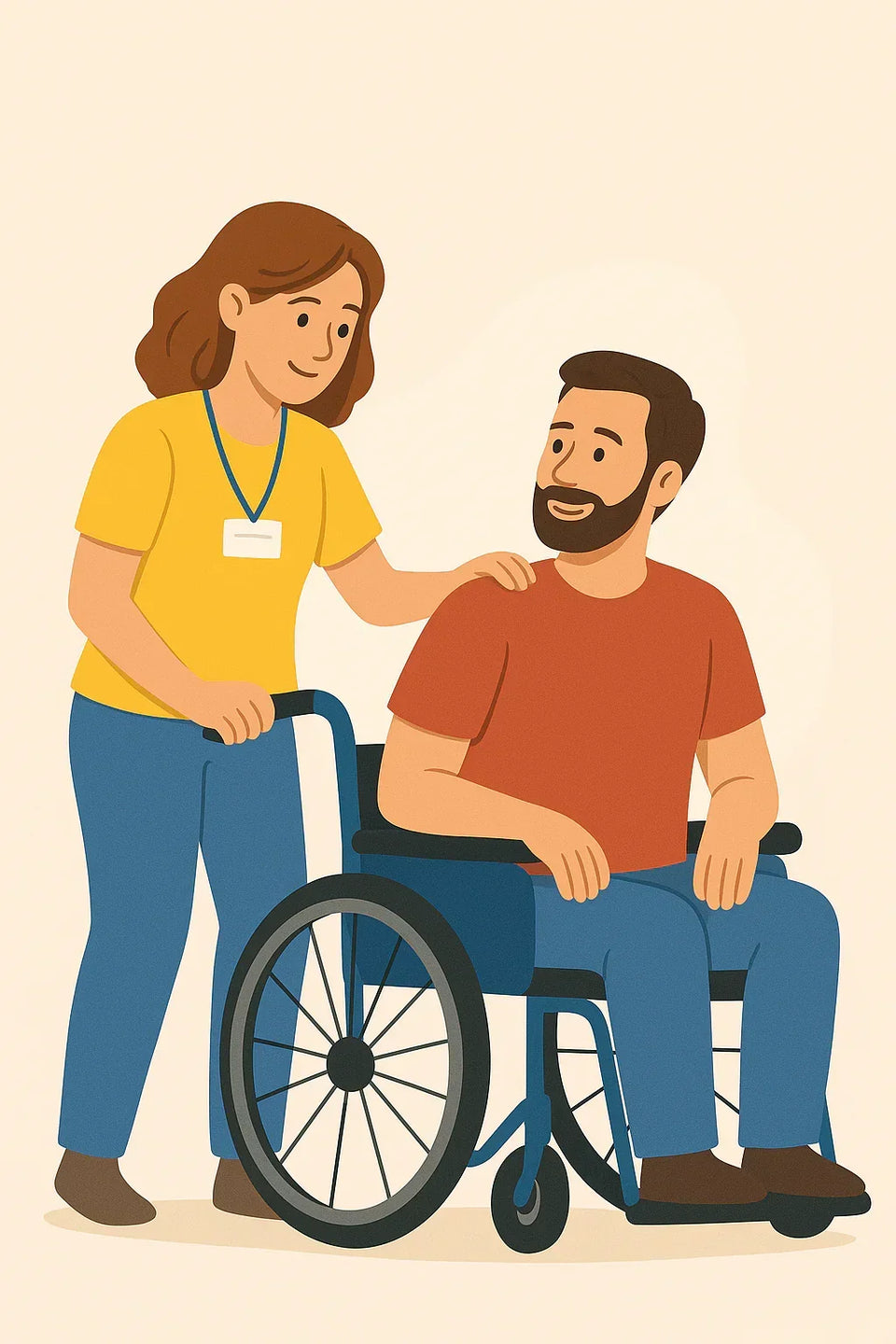
Living with osteoarthritis can be a challenging experience, impacting daily mobility and overall quality of life. This condition, especially prevalent among Australia's ageing population, is familiar to many. For those residing in Melbourne and beyond, understanding how osteoarthritis interacts with resources like the NDIS (National Disability Insurance Scheme) is vital for enhancing life with this condition. Let's explore osteoarthritis, how it affects individuals, and how the NDIS, as a robust framework, can provide invaluable support.
Understanding Osteoarthritis
Osteoarthritis is a common form of arthritis, often referred to as a wear-and-tear disease. It primarily affects the cartilage, the smooth, slippery surface that cushions the ends of bones in your joints. Over time, this cartilage breaks down, resulting in pain, swelling, and difficulties with joint movement. This condition can occur in any joint, but it most often affects the knees, hands, hips, and spine.
Key Traits of Osteoarthritis
- Pain and Stiffness: These are the most common symptoms affecting mobility and the ability to perform daily tasks.
- Swelling: Due to the inflammation caused by osteoarthritis, swelling in the joints is a frequent occurrence.
- Loss of Flexibility: Individuals often experience reduced range of motion, making simple movements challenging.
- Grating Sensation: People with this condition often report a grating feeling when using the affected joint.
- Bone Spurs: Overgrowths of bone can form around the joint, compounding stiffness and pain.
Supporting Individuals with Osteoarthritis
Managing osteoarthritis involves a multi-faceted approach combining medical, therapeutic, and support measures. Here are some effective ways to support someone dealing with this condition:
- Physical Therapy: Engaging in physiotherapy can significantly aid in maintaining movement and managing pain.
- Medication: While there are medications available that can help control pain and inflammation, it’s crucial to follow a doctor’s guidance.
- Lifestyle Adjustments: A balanced diet and regular exercise can help manage weight and stress on joints.
- Assistive Devices: Tools like canes, walkers, or orthopedic inserts can help in reducing the stress on joints during movement.
How the NDIS Can Help
The NDIS is a comprehensive support system for Australians with disabilities, providing personalised funding to assist in achieving their personal goals. For those with osteoarthritis approved as an NDIS participant, the scheme offers substantial support in several areas:
- Funding for Therapy and Medical Services: The NDIS can provide funding for sessions with physiotherapists and occupational therapists to help manage the condition.
- Mobility Equipment: Assistance in obtaining and funding devices like walkers, wheelchairs, or customised vehicles can be availed.
- Home Modifications: The NDIS can also contribute towards home adaptations that make everyday tasks easier and safer.
- Personal Care Assistance: Securing support for daily activities like dressing, cooking, and cleaning may be possible.
Services and Support in Melbourne
For those living in Melbourne, Beyond Health Services is a leading provider offering tailored support to individuals with osteoarthritis. Our services are designed to complement the NDIS offerings and ensure those with osteoarthritis receive comprehensive care and support. Here are some ways we can assist:
- Personalised Care Plans: We work closely with individuals to develop custom care plans addressing unique needs.
- Wide Range of Allied Health Services: Our team of professionals, including physiotherapists and occupational therapists, is equipped to provide specialised support.
- Guidance on NDIS Navigation: Understanding NDIS can be overwhelming. We offer support in navigating the system and maximising available benefits.
Conclusion
Osteoarthritis is a challenging condition, but with the right support, individuals can continue to lead fulfilling lives. The NDIS provides a framework that allows for tailored assistance, and at Beyond Health Services, we are committed to enhancing this support. For those in Melbourne and throughout Australia, we encourage you to reach out for a consultation.
For more detailed information about how we can assist, visit us at Beyond Health Services or contact our team directly.
By leveraging expert care and the resources provided by the NDIS, we believe every individual with osteoarthritis can thrive. Let's work together towards a better quality of life!
Living with Osteoarthritis: what to know about NDIS eligibility
Every person's experience of Osteoarthritis is different. The relevant question for NDIS access is not simply whether a diagnosis appears on a list, but whether an impairment is permanent, substantially affects daily activities, affects participation and is likely to require NDIS supports throughout life. Age, residency and early intervention rules also matter.
A diagnosis of Osteoarthritis does not by itself establish or exclude NDIS access. The NDIA considers whether there is an eligible permanent impairment and its effect on everyday functioning; the published condition lists are guidance rather than an exhaustive list of all eligible diagnoses.
How Osteoarthritis may affect everyday activities
For Osteoarthritis, a useful starting point is to look at mobility, physical access and self-care: walking, transfers, dressing, household tasks, access to community activities and maintaining routines. The nature and extent of these impacts can vary considerably between people.
Focus on actual limitations and the level of assistance needed, rather than pain intensity or diagnosis alone.
- Communication: Can the person express choices, understand information and ask for help when they need it?
- Mobility and access: Can they move safely at home, outdoors and when using transport, with or without equipment?
- Self-care: Which parts of getting dressed, washing, eating or managing home tasks require practical assistance?
- Learning and self-management: Does planning, remembering or completing routines require prompting, supervision or ongoing support?
- Participation: What changes would help the person take part in relationships, community activities, work or study?
Evidence that helps explain support needs
When preparing an NDIS access request, ask the relevant treating professional to explain the impairment, whether it is likely to be permanent, treatments already considered and the impact on daily functional capacity. A diagnosis or medical history alone may not explain how much support is needed.
- Describe a normal day and a difficult day, including the activities that require another person's assistance or specialised equipment.
- Record how often support is needed, what type of help is required and what happens when it is unavailable.
- Describe the effect on communication, social participation, mobility, learning, self-care or self-management.
- Include professional observations or assessments where relevant, such as functional assessments, occupational therapy reports or specialist evidence.
- Explain disability-related supports already used, the outcomes and ongoing requirements.
Supports that may be relevant
Depending on approved funding, disability-related needs and the rules for each support, people living with Osteoarthritis might discuss assistive technology, home accessibility modifications and eligible assistance with daily living. The type, quantity and purpose of support must fit the individual's plan; none of these items is guaranteed merely because of the diagnosis.
NDIS-funded support is different from medical diagnosis, medicines, hospital treatment and other services ordinarily funded through the Australian health system. Some disability-related health supports can be funded when they meet the NDIS rules, but not every health service is an NDIS support.
Questions to ask when planning your next step
- What parts of daily life would you most like to make easier or more independent?
- Which activities require hands-on help, prompting, technology or a change to the environment?
- What communication methods, cultural preferences, routines and worker characteristics are important to you?
- Which supports are already available through health, education, family, community or other systems?
- What does the current plan actually fund, and which services require approval or a new assessment?
Frequently asked questions about Osteoarthritis and the NDIS
Does Osteoarthritis automatically qualify someone for the NDIS?
No diagnosis guarantees access for everyone. The NDIA assesses the applicable access or early intervention criteria and evidence. A diagnosis of Osteoarthritis does not by itself establish or exclude NDIS access. The NDIA considers whether there is an eligible permanent impairment and its effect on everyday functioning; the published condition lists are guidance rather than an exhaustive list of all eligible diagnoses.
What sort of evidence should be included?
Include a diagnosis and relevant professional evidence together with specific examples of how permanent impairments affect day-to-day activities, participation and the level of assistance or equipment needed. The NDIA may ask for more information.
Can NDIS funding pay for ongoing support workers or therapy?
Potentially, where the support is an eligible NDIS support, directly related to the participant's disability needs, and included in or consistent with their approved plan. The NDIA does not automatically fund a particular therapy or level of personal assistance for everyone with Osteoarthritis.
Does the NDIS fund treatment for Osteoarthritis?
Diagnosis, medicines and general clinical treatment are ordinarily health-system responsibilities. The NDIS can fund eligible disability-related supports, and some disability-related health supports, when the individual plan and applicable rules allow it.
What if Osteoarthritis is not on the official condition lists?
The lists are guides, not the only pathway to access. Applicants with conditions not named in List A or B can still have their functional evidence assessed against the NDIS disability or early intervention requirements.
How can Beyond Health Services help?
Our team can discuss your support goals, preferences and service options. We can explain our referral process and send you the appropriate referral form if you decide to proceed. A service discussion does not determine NDIS eligibility or change the funding available in a plan.
Your goals matter. We are here to listen.
Tell Beyond Health Services what matters most in your day-to-day life and what kind of support you would like to explore.
Contact our team to start the conversation.
Sources: NDIS disability requirements · List A · List B · What are NDIS supports?. General information only; eligibility and funding decisions are made by the NDIA.