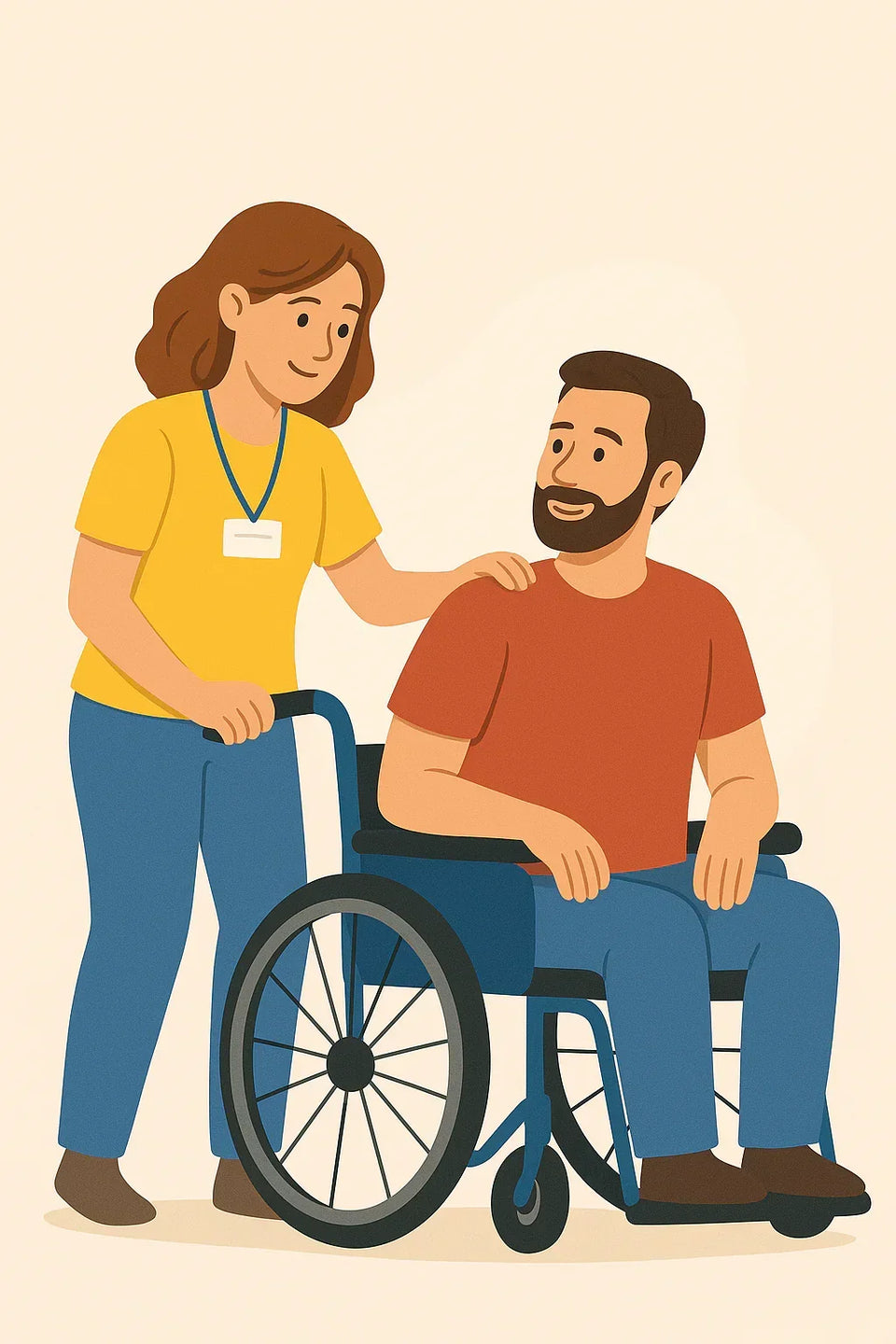
This Australian disability knowledge guide explains West Syndrome (Infantile Spasms), how it may affect daily living and what people should understand about the National Disability Insurance Scheme. Access to the NDIS is based on the person's individual circumstances and permanent impairment, not just the name of a condition.
Understanding West Syndrome (Infantile Spasms)
West syndrome is a severe epilepsy syndrome arising in infancy, traditionally described by clusters of infantile spasms, a characteristic EEG pattern and developmental concerns. It is important to distinguish urgent clinical treatment of seizures from longer-term disability support. Outcomes and functional abilities vary widely and are influenced by the underlying cause and response to treatment.
Every person has different strengths, preferences and needs. A diagnosis can explain the cause of an impairment, but meaningful supports should be guided by what the person wants to achieve and what they need help doing day to day.
Recognising possible symptoms and impairments
Features that may be relevant include the following, although the mix and severity vary from person to person.
- Brief clusters of repeated spasms or abnormal movements in infancy
- Changes in early learning or developmental progress
- Potential lasting movement, communication or learning impairments
- Possible other seizure types over time
- Need for individualised seizure plans and caregiver education
- Variation in functional abilities and support needs after epilepsy treatment
How daily living and participation can be affected
Daily routines may involve communication supports, assistance reaching age-appropriate milestones, help with personal care or community activities, together with medical seizure management.
The NDIS considers functional capacity in areas including communication, social interaction, learning, mobility, self-care and self-management. A useful description of needs considers what happens in the home and community, how often assistance is required and what the person can do with equipment or accessible information.
Practical person-centred approaches
- Infantile spasms require urgent medical assessment rather than reliance on disability service advice.
- Use a treating clinician's current seizure management and emergency plan.
- Base development and participation goals on individual assessment, not solely the historical syndrome label.
- Support families' communication preferences and predictable care routines.
Effective support involves consent, safeguarding the person's rights, and working with their chosen family members or representatives. Changes in medical status should be referred to qualified clinicians rather than managed through assumptions.
West Syndrome (Infantile Spasms) and NDIS eligibility
West's syndrome is identified in the historical NDIS List B among neurological episodic conditions. The diagnosis can support consideration of a likely permanent impairment but is not by itself proof that disability access criteria are all satisfied.
Generally, the NDIS requires applicants to meet age and residence rules, and either disability or early intervention criteria. Disability criteria concern impairments that are or are likely to be permanent, substantially reduce functional capacity, affect social or economic participation, and are likely to require NDIS supports throughout life. Early intervention requirements are different and may be relevant for some children and adults.
The NDIA's historical List A and List B guidance indicates conditions likely to satisfy particular elements of the requirements. List A concerns conditions likely to meet the disability requirements, while List B concerns conditions likely to involve permanent impairment. See the current NDIS eligibility guidance for the applicable rules. A listed condition is not an automatic promise of a funded plan.
What evidence is useful when applying?
The NDIA needs to understand functional impacts and any relevant ongoing impairments. Examples of useful evidence, depending on the person, include:
- A diagnosis and any qualifying subtype from an appropriately qualified specialist.
- Information about impairment permanence, health treatments considered and remaining functional limitations.
- Occupational therapy, speech pathology, physiotherapy or other relevant functional assessments.
- Examples of where disability-specific equipment, supervision, prompting or hands-on help is needed.
- Evidence about work, study, relationships, social participation and expected long-term disability support needs.
If the person's condition changes over time, explain both their current needs and periods of increased difficulty. Describe real tasks and situations rather than relying only on general phrases such as 'requires assistance'.
NDIS supports that might be appropriate
Where someone is an eligible participant and the supports match their plan, disability funding might assist with daily living tasks, community participation, assistive technology, mobility or communication needs, disability-related allied health and support coordination. Specific supports are not guaranteed. Funding must be used for approved purposes and comply with the current NDIS support rules.
Medical diagnosis, prescribed medicines, disease-specific therapies, operations, hospital care and routine health treatment are primarily healthcare responsibilities. The NDIS can fund certain disability-related health supports in defined situations, but staff must have appropriate instructions, authorisation and competency for complex tasks.
Support from Beyond Health Services
Our team welcomes conversations about a participant's daily routines, goals, communication preferences, personal care requirements and participation in community life. Depending on the individual's circumstances, we can discuss support workers, relevant therapy services, disability-related nursing, support coordination and other suitable disability supports. Before services are arranged we work through the referral process and discuss relevant plan funding and staff requirements.
Frequently asked questions about West Syndrome (Infantile Spasms)
Is West Syndrome (Infantile Spasms) recognised in the historical NDIS lists?
West's syndrome is identified in the historical NDIS List B among neurological episodic conditions. The diagnosis can support consideration of a likely permanent impairment but is not by itself proof that disability access criteria are all satisfied.
Does a diagnosis automatically guarantee NDIS access?
No. The NDIA considers the full access requirements and the person's individual supporting evidence.
Are infantile spasms a medical emergency?
Suspected infantile spasms need prompt medical assessment by appropriate clinicians.
Does seizure control always remove developmental support needs?
Not necessarily. Some people have permanent impairments requiring ongoing functional support, while others do not.
What is the difference between seizure treatment and NDIS support?
Medical epilepsy treatment is generally healthcare-funded; approved disability-related daily living needs are assessed separately.
How can we enquire about practical support?
Share the person's goals, support needs and current NDIS funding so that appropriate services and the referral process can be discussed.
Support starts with understanding
Tell us about the assistance that would make everyday life more accessible and meaningful. We can discuss suitable next steps.
Contact Beyond Health Services · support@beyondhealthservices.com.au
General educational information, reviewed October 2026. For clinical guidance see the condition reference; for eligibility see the NDIA. Not individual medical, funding or legal advice.