NDIS Funding Guide · 2026–27
Consumables are frequently used or replaced disability-related supplies. An NDIS-funded consumable is different from a nurse's time assessing a participant or ordinary household shopping.
Checked 20 October 2026. Based on separately published official NDIA documents, not prices inferred from the main 96-page schedule.
The price depends on the actual eligible product and the participant's funding. The September 2026 Pricing Schedule contains nursing service prices but does not list a single universal hourly or per-pack maximum for every consumable, continence product or dressing.
What are NDIS consumables?
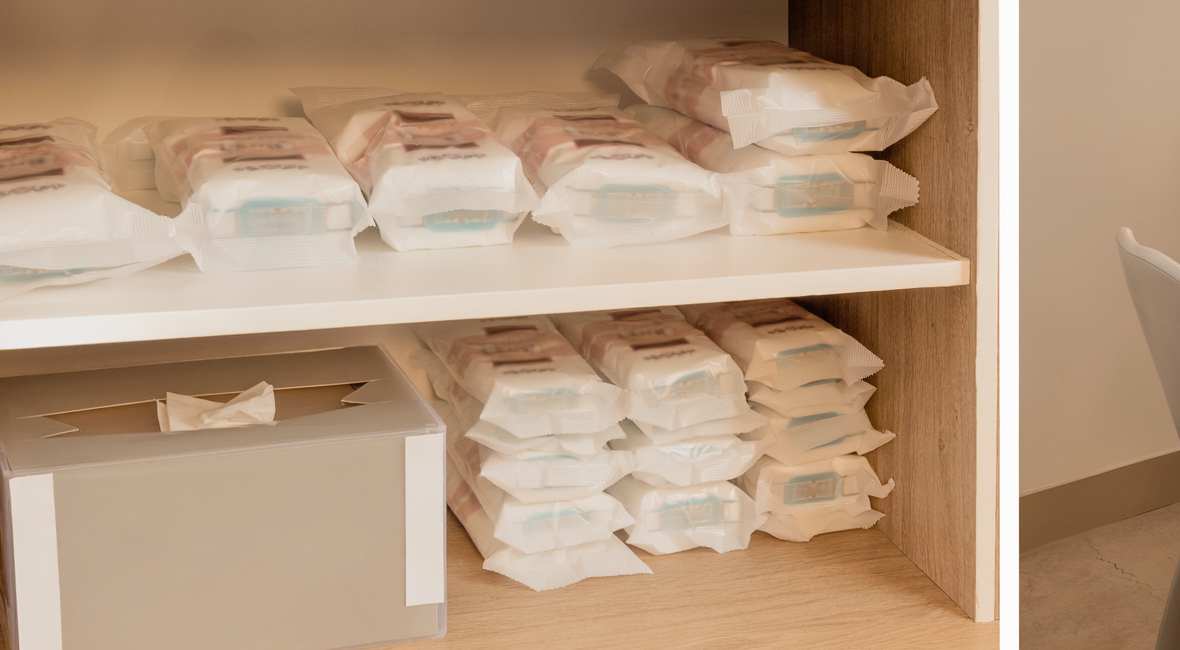
Consumables may include appropriate disability-related disposable or regularly replaced supplies that a participant needs as part of their support. Continence products are a common example where the individual has an approved disability-related need. The necessary type, amount and suitability can differ significantly between participants.
Ordinary groceries, general toiletries and other household supplies are not automatically funded merely because the participant receives NDIS support.
Where do I find the correct consumables code?
The 2026–27 Support Catalogue lists claimable item information and flags. Use its relevant current category and product or service designation rather than assuming one generic consumables code covers all products. Some items can require a quote or specific details; check the participant's current plan and funding restrictions.
The NDIA's 2025–26 AT/home modifications/consumables code guide is currently linked for background. It is not adequate by itself to certify every 2026–27 product price or claim rule.
How is a continence assessment different from buying continence products?
A qualified nurse's assessment is a service involving clinical review of symptoms, bowel/bladder routines, environment, risks and appropriate product recommendations. The nursing work has an hourly item and professional scope as described in Appendix 3 of the September 2026 Pricing Schedule. The physical products—such as continence aids—are purchased separately where appropriate and permitted. Don't combine an RN assessment fee with product purchase charges under a single unexplained line.
What evidence should be provided for continence consumables?
Where clinically indicated, a report or assessment may explain the participant's disability-related continence needs, appropriate product types and quantities, skin protection and trial outcomes. Quotes or invoices should show the product, quantity, actual price and delivery charges. A plan manager needs to confirm that the item and funding match the plan before approving the expense.
What if the participant's needs change during the plan?
Keep usage records and seek an updated professional review if products are unsafe, insufficient or no longer effective. An increase in product quantity should follow genuine need and appropriate funding—don't rely on past purchase history alone.
Common questions
Can NDIS funding buy ordinary groceries as 'consumables'?
Not automatically. The consumable must be an NDIS support linked to the participant's disability-related need and plan.
Is a nurse's continence report the same as a product invoice?
No. Clinical assessment and physical product supply have distinct costs, items and evidence.
Independent general information by Beyond Health Services. Price limits, eligibility and any claim type may be updated. Check the current determination and the individual participant's plan.